
 EN
EN

240kW Hybrid Solar System for Pharmaceutical Factory in Osun State, Nigeria
① Location
In Osun State, Nigeria
② Customer Type
For a pharmaceutical factory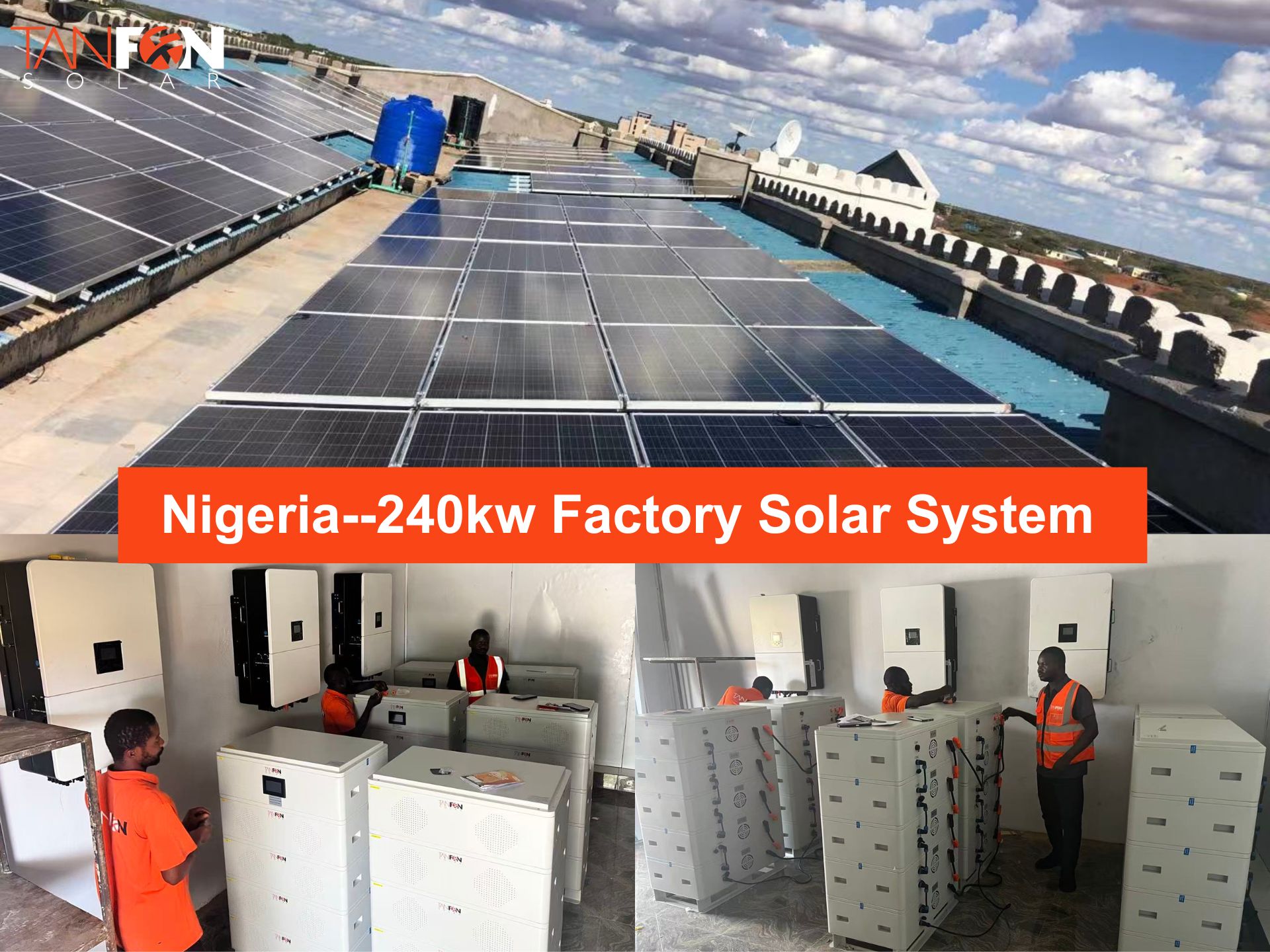
③ Problem
The pharmaceutical factory operates large-scale production equipment and requires continuous low-temperature storage for both production lines and warehouse facilities.
Due to unstable grid electricity in Nigeria, frequent power interruptions made it difficult to maintain 24-hour air conditioning operation, which is critical for product quality and storage safety.
The client needed a reliable power solution to ensure all air conditioning systems could run continuously without interruption.
④ Solution
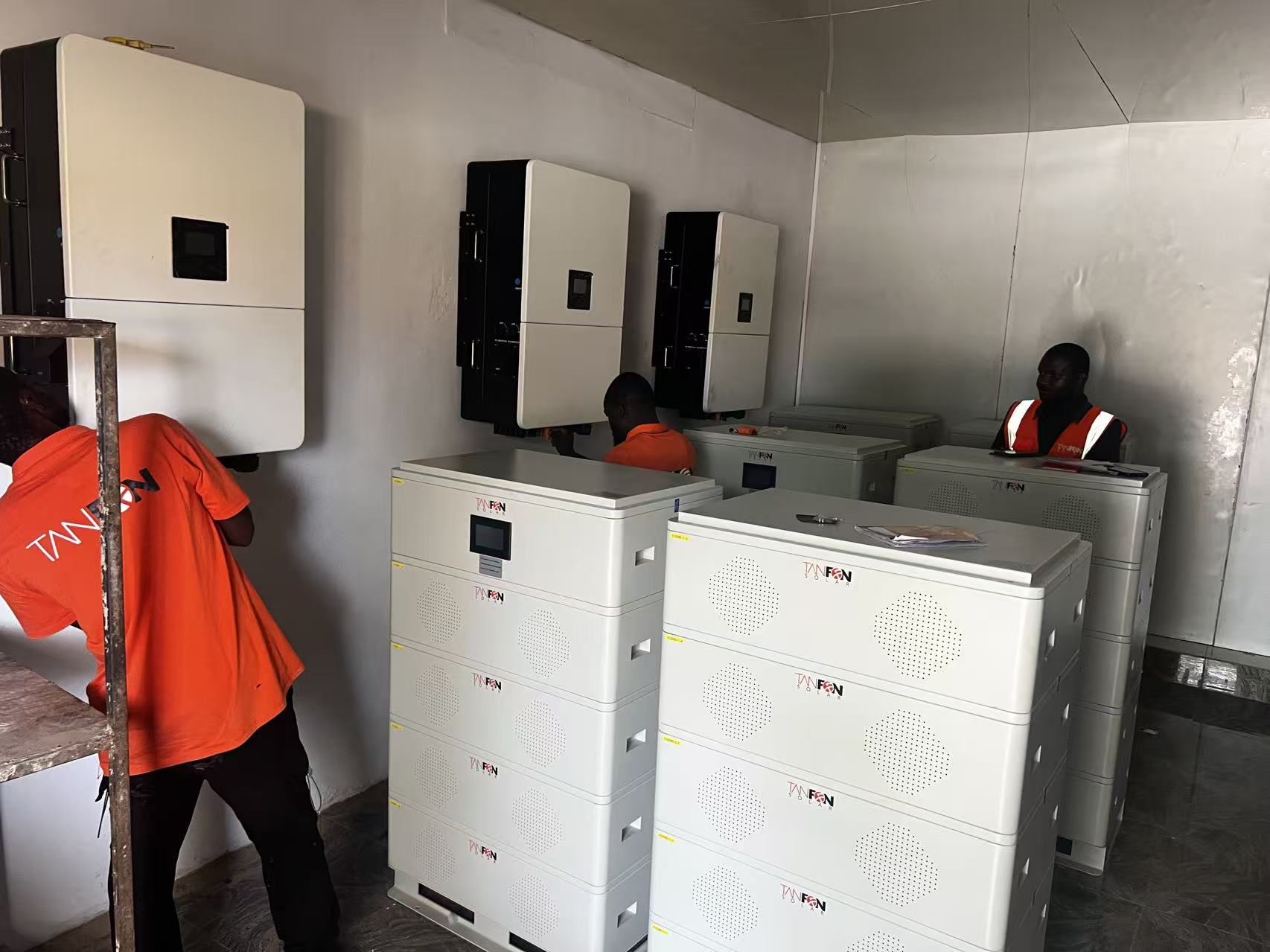
Installed a 240kW hybrid solar system with 430kWh LiFePO4 battery storage.
The system was carefully designed based on the factory’s total load requirements, especially the continuous operation of air conditioning systems, ensuring stable power supply for both production and storage environments.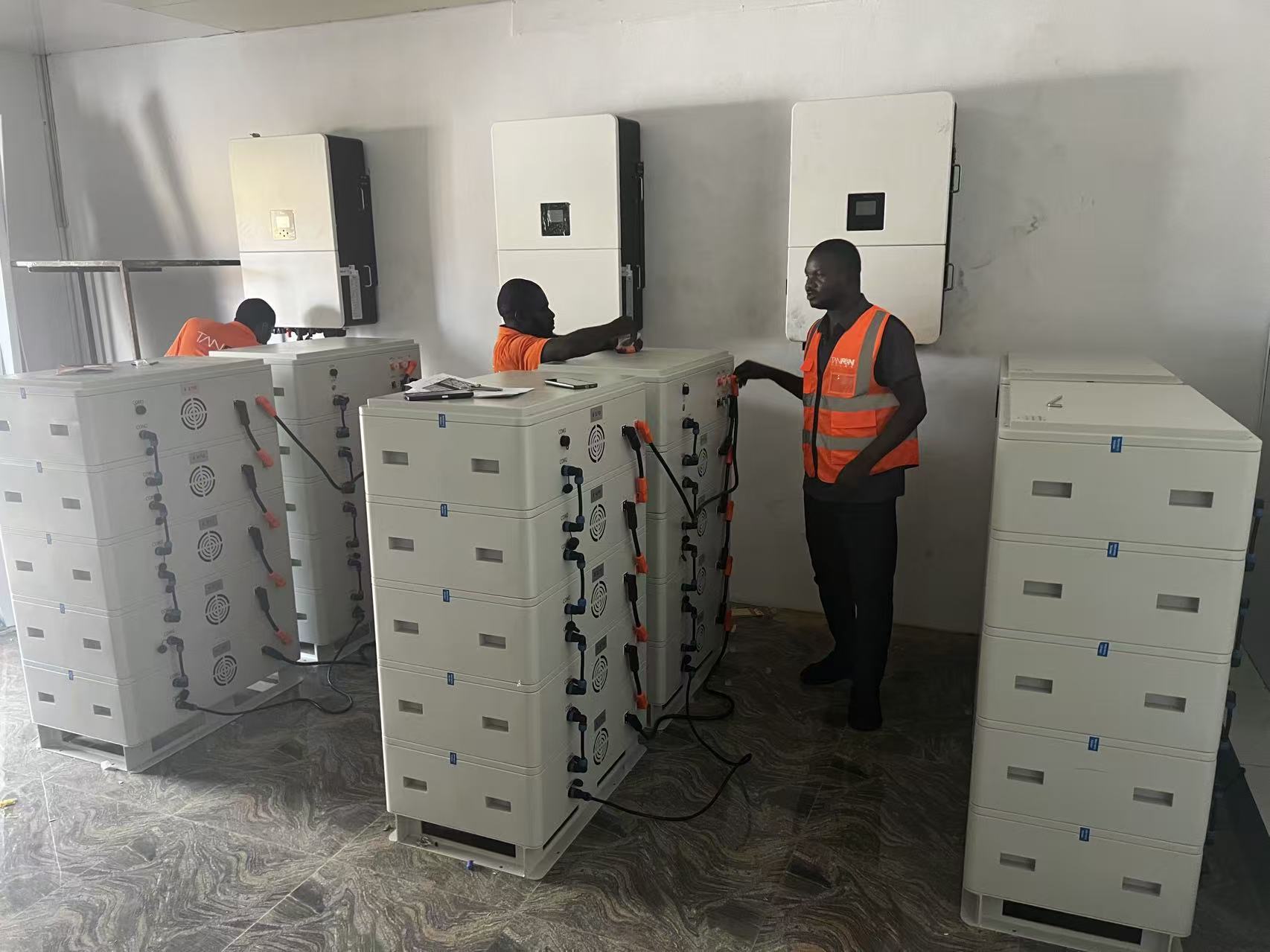
⑤ Technical Specifications
Installed a 240kW hybrid solar system with 430kWh lithium battery storage.
System configuration:
- 432 pcs 600W solar panels
- Hybrid inverter (Model: SUN-80K-SG01HP3-EU-EM6)
- 3-phase output system
- Advanced energy management system
- Designed for continuous heavy-load operation
⑥ Results
- Ensured continuous operation of air conditioning systems for production and storage
- Provided stable and reliable power supply for factory operations
- Successfully delivered and deployed within 3 months (production to installation)
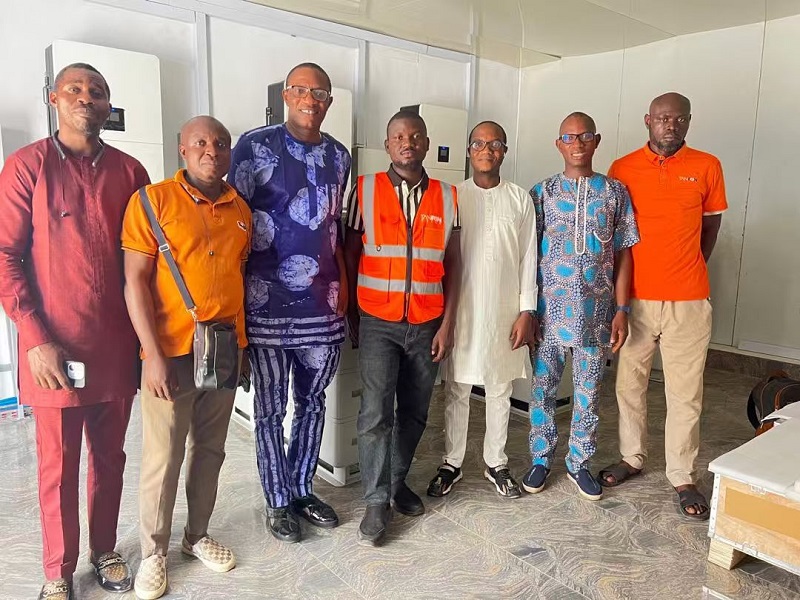
- Professional local installation team ensured smooth commissioning and high customer satisfaction
FAQ:
❓1. What is a 240kW solar system used for in factories?
A 240kW solar system is designed for medium to large industrial applications. It can power production equipment, air conditioning systems, and storage facilities, making it ideal for factories such as pharmaceutical plants.
❓2. Is a 240kW solar system enough for a pharmaceutical factory?
Yes, a 240kW system is suitable for factories with high electricity demand, especially those requiring continuous operation of air conditioning and temperature-controlled environments.
❓3. How much does a 240kW solar system cost in Nigeria?
The cost depends on system configuration, especially battery capacity. A hybrid system with battery storage typically has a higher upfront cost but provides better long-term savings and energy stability.
❓4. Why do pharmaceutical factories need hybrid solar systems?
Pharmaceutical factories require stable and uninterrupted power to maintain product quality. A hybrid solar system combines solar energy, battery storage, and grid backup to ensure 24-hour continuous operation.
❓5. What battery capacity is required for a 240kW solar system?
Battery capacity depends on night usage and backup needs. In this project, a 430kWh lithium battery system was used to support continuous operation during power outages.
❓6. Can a solar system support continuous air conditioning operation?
Yes. With proper system design and sufficient battery storage, a hybrid solar system can support 24-hour operation of air conditioning systems, which is essential for factories with strict temperature requirements.
❓7. What is the ROI of a 240kW solar system in Nigeria?
Most commercial solar systems achieve ROI within 2–3 years, especially in regions with high diesel costs and unstable grid power.
❓8. How long does it take to install a 240kW solar system?
The full project timeline typically takes 2–3 months, including system production, shipping.
