
 EN
EN

35kW 3 Phase Hybrid Solar System for Farm in Papua New Guinea
Introduction
Agricultural businesses require reliable electricity for irrigation, processing equipment, water pumps, and daily farm operations. Rising electricity costs can significantly reduce farm profitability, especially for commercial farms with continuous power demand.
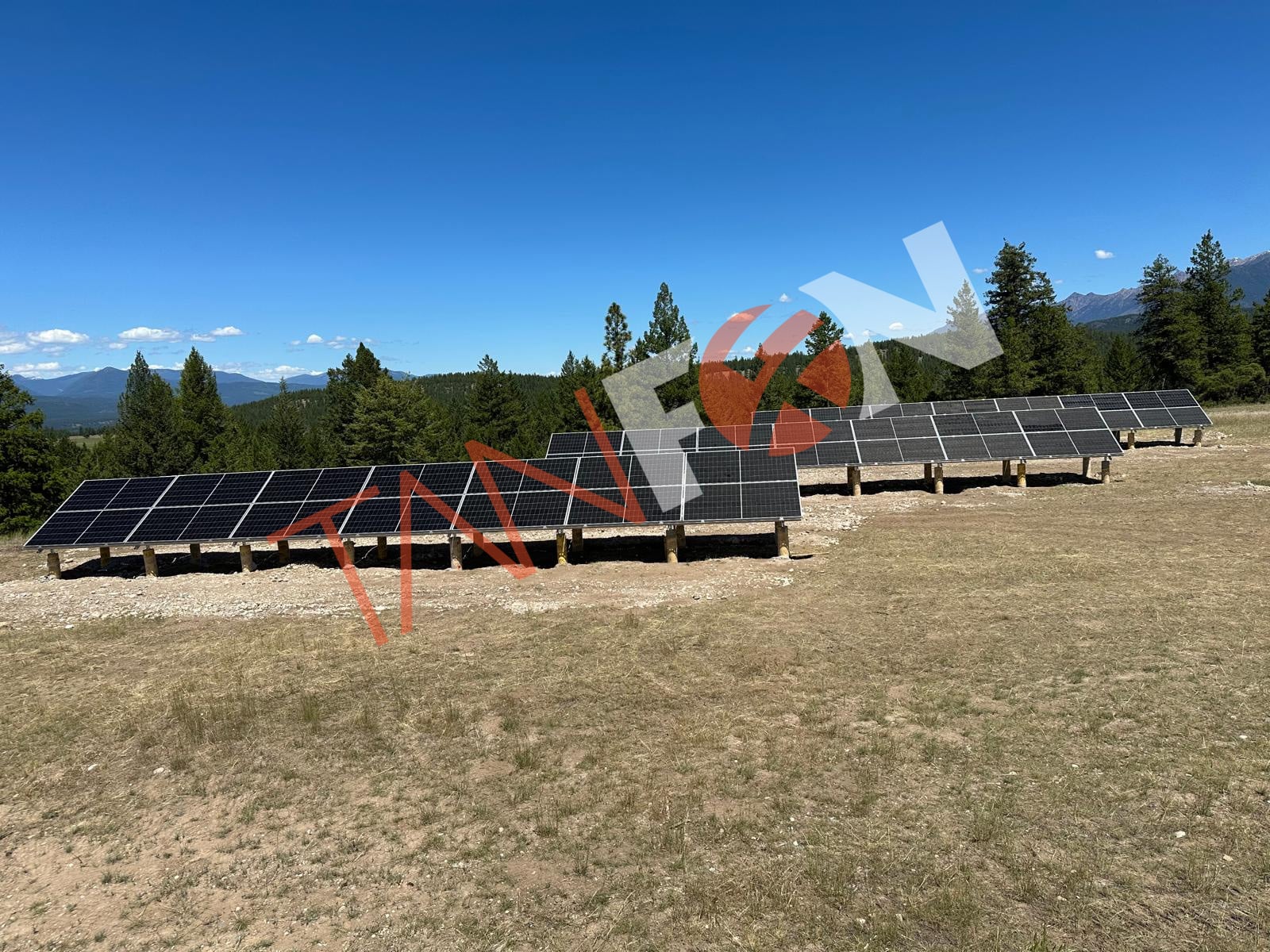
To address these challenges, Tanfon designed a 35kW 3 phase hybrid solar system with 70kWh battery storage for a farm in Papua New Guinea. This customized solar energy system not only reduces electricity costs but also allows surplus solar energy to be exported to the utility grid, creating an additional source of income for the farm. Businesses considering a solar energy system 30kw or larger can use this project as a practical reference when planning their own investment.
① Location
In Papua New Guinea
② Customer Type
For a commercial farm
③ Problem
The farm had high electricity consumption due to irrigation systems, agricultural processing equipment, and other daily operations. Rising electricity bills were increasing operating costs and affecting overall profitability.
The customer wanted a reliable solar solution that could:
- Reduce electricity expenses
- Improve energy efficiency
- Generate additional income by exporting excess electricity
- Support future expansion of farm operations
Although many farms begin by evaluating a solar energy system 30kw, the customer's actual electricity demand required a customized 35kW hybrid solar system.
④ Solution
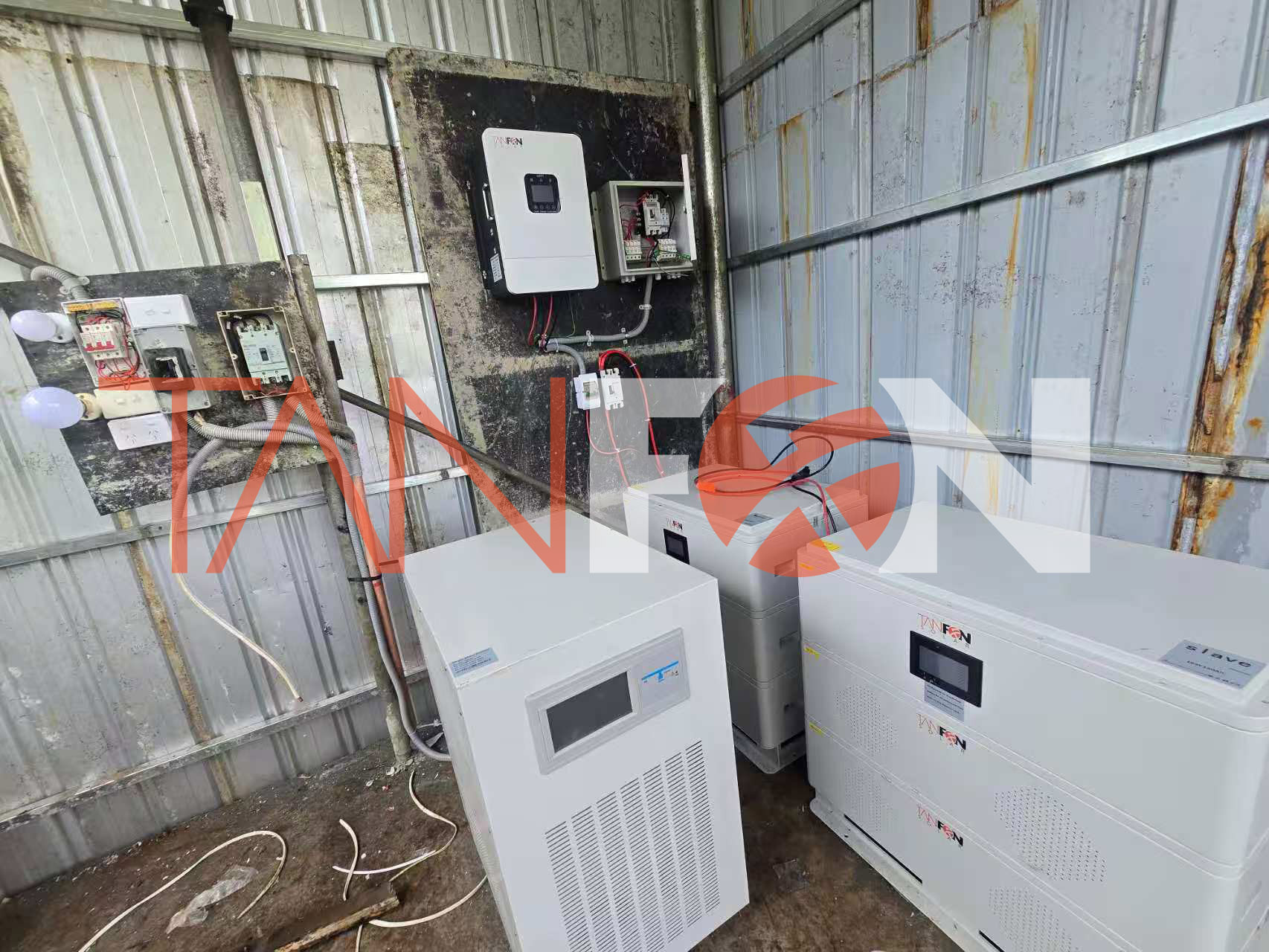
Tanfon engineered a 35kW 3 phase hybrid solar system equipped with 70kWh lithium battery storage to match the farm's actual electricity consumption.
The system intelligently combines:
- Solar power generation
- Battery energy storage
- Utility grid connection
During the daytime, solar electricity powers irrigation pumps and farm equipment while simultaneously charging the battery bank. When solar production exceeds consumption, surplus electricity can be exported to the utility grid, helping the customer benefit from available solar storage incentives and rebates or local grid export policies where applicable.
⑤ Technical Specifications
Installed a 35kW hybrid solar system with 70kWh LiFePO₄ battery storage.
System Configuration
- 35kW 3 phase hybrid solar system
- 70kWh lithium battery storage
- 59 high-efficiency solar panels
- Three-phase hybrid inverter
- Intelligent Energy Management System (EMS)
- Grid-connected hybrid operation
- Remote monitoring support
The 3 phase hybrid solar system ensures stable power distribution for agricultural equipment while maximizing solar self-consumption and improving overall system efficiency.
⑥ Results
After installation, the farm significantly improved its energy efficiency and reduced operating expenses.
Project Benefits
- Reduced monthly electricity costs
- Reliable power for irrigation and agricultural equipment
- Surplus electricity exported to the utility grid
- Additional revenue through excess solar generation
- Estimated ROI within 2–3 years
- Long-term reduction in operating costs
- Sustainable clean energy for farm development
FAQ
1. Is a solar energy system 30kW suitable for farms?
A 30kW solar energy system is suitable for small to medium-sized farms. Larger farms with higher electricity demand may require a customized 35kW, 50kW, or larger hybrid solar system based on actual energy consumption.
2. What is a 3 phase hybrid solar system?
A 3 phase hybrid solar system combines solar panels, battery storage, hybrid inverters, and the utility grid to provide reliable three-phase electricity for commercial and agricultural applications.
3. Can farms sell excess solar electricity to the grid?
Yes. In regions where grid export is permitted, surplus solar electricity can be sold back to the utility company, helping improve project returns through local solar storage incentives and rebates or net metering programs.
4. Why choose battery storage for a farm?
Battery storage stores excess solar energy for later use, ensuring stable electricity during cloudy weather or peak demand periods while increasing solar self-consumption.
5. How long is the ROI for this project?
Based on this project, the estimated payback period is 2–3 years, depending on electricity prices, solar resources, and local grid policies.
6. Can Tanfon customize solar systems for agricultural projects?
Yes. Tanfon provides customized hybrid solar solutions ranging from 30kW to over 1MW, designed according to each farm's electricity demand, available installation area, and investment objectives.
Contact Tanfon
Looking for a customized 3 phase hybrid solar system for your farm or agricultural business?
Contact Tanfon today for a free load analysis, customized system design, ROI calculation, and professional quotation. Whether you are planning a solar energy system 30kW, a 35kW farm system, or a larger commercial project, Tanfon will provide a reliable and cost-effective solution tailored to your needs.
