
 EN
EN
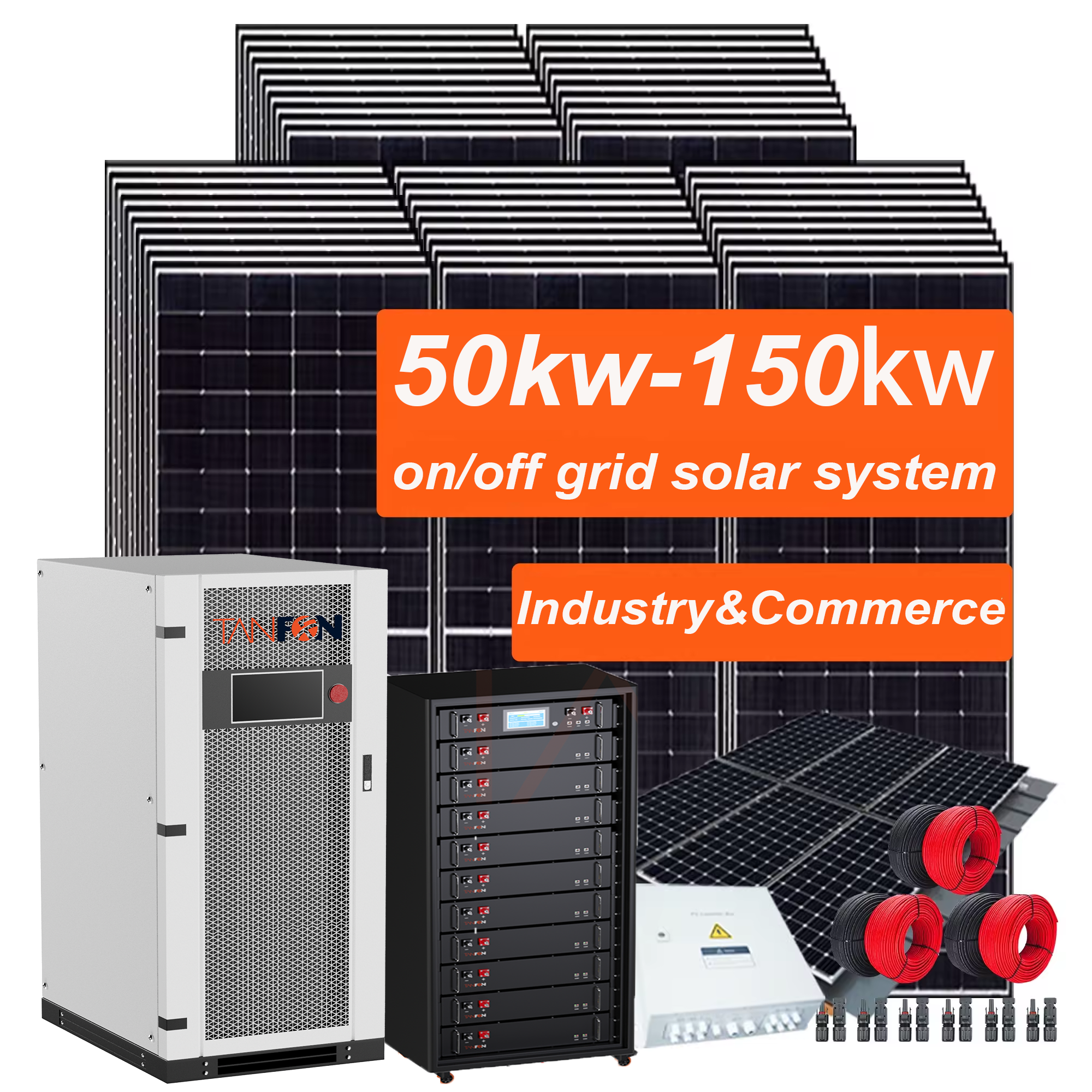
دليل عملي لتحديد حجم النظام الشمسي للفنادق، مستند إلى مشاريع تانفون الحقيقية
يسأل العديد من ملاك الفنادق سؤالاً بسيطاً قبل الاستثمار في الطاقة الشمسية:
هل يكفي نظام طاقة شمسية بقدرة ١٠٠ كيلوواط لتغذية فندقي بالطاقة؟
الإجابة ليست ببساطة نعم أو لا.
تعتمد المتطلبات الشمسية الفعلية للفندق على عدد الغرف، وأحمال أنظمة التكييف، ومعدات المطبخ، ومرافق الغسيل، والمضخات، والمصاعد، والإضاءة، وساعات التشغيل، والظروف الشمسية المحلية، ومتطلبات الطاقة الاحتياطية.
وبشكل أكثر أهمية، فإن نظام طاقة شمسية بقدرة 100 كيلوواط و نظام تخزين بطاريات بسعة ١٠٠ كيلوواط ساعة حلّ مشكلتين مختلفتين.
يُشير التصنيف البالغ ١٠٠ كيلوواط إلى سعة القدرة الكهربائية للنظام — أي مقدار الحمل الكهربائي الذي يمكن لمُحوِّل الطاقة والمنظومة الكهروضوئية دعمه في لحظة معينة. أما التصنيف البالغ ١٠٠ كيلوواط·ساعة فيصف سعة طاقة البطارية — أي كمية الطاقة التي يمكن للبطارية تخزينها.
وتكتسب هذه المفارقة أهميةً خاصةً في الفنادق، حيث يستمر الطلب على الكهرباء بعد غروب الشمس.
وتُظهر مشاريع تانفون الفعلية للطاقة الشمسية في الفنادق والمنشآت التجارية سبب وجوب تحديد حجم النظام استنادًا إلى بيانات الأحمال الفعلية بدلًا من الاكتفاء باختيار حجم نظام قياسي.
١. هل تكفي منظومة طاقة شمسية بقدرة ١٠٠ كيلوواط لتشغيل فندق؟
يمكن أن تكون منظومة طاقة شمسية بقدرة ١٠٠ كيلوواط مناسبةً لبعض الفنادق الصغيرة والمتوسطة الحجم، لكن لا ينبغي اعتبارها تلقائيًّا كافيةً لكل المنشآت.
فقد يحتوي الفندق على أحمال كهربائية عديدة ومختلفة تعمل في وقتٍ واحد، منها:
- مكيفات الهواء في غرف النزلاء
- أنظمة التكييف المركزي وتوزيع الهواء
- الثلاجات وأجهزة التجميد
- معدات المطاعم والمطبخ
- مضخات المياه
- معدات الغسيل
- المصاعد
- إضاءة
- أجهزة التلفزيون وغيرها من الأجهزة المنزلية في الغرف
- المعدات المكتبية
- أنظمة تسخين المياه
- معدات حوض السباحة
إذن، أهم سؤال ليس:
"كم عدد الغرف في الفندق؟"
بل السؤال الأفضل هو:
"ما أقصى حمل كهربائي فعلي يشهده الفندق وما استهلاكه اليومي من الطاقة؟"
فعلى سبيل المثال، قد يختلف الطلب الكهربائي لفندقين كلٌّ منهما يضم ٥٠ غرفة اختلافاً تاماً.
فقد يعمل فندقٌ مزوَّد بمكيِّفات هواء فردية ومرافق مطعم محدودة وازدحام نهاري منخفض بسلاسة باستخدام نظام أصغر حجماً.
أما فندق الخدمات الكاملة المزوَّد بتكييف مركزي ومطبخ تجاري ومرافق غسيل وسلالم كهربائية وازدحام عالٍ فقد يحتاج إلى أكثر من ١٠٠ كيلوواط بكثير.
ولهذا السبب تبدأ عملية تصميم أنظمة الطاقة الشمسية الاحترافية عادةً بـ تحليل الحمل تحليل استهلاك الطاقة، وليس بكتالوج المنتجات.
٢. لماذا تختلف حسابات حجم أنظمة الطاقة الشمسية للمباني الفندقية عن تلك الخاصة بالمباني السكنية
تتميَّز المنشآت الفندقية بملفّ استهلاك كهربائي أكثر تعقيدًا بكثيرٍ من المنازل العادية.
غالبًا ما يرتفع الطلب على الكهرباء في المباني السكنية صباحًا ومساءً. أما الفنادق، فتستهلك كهرباءً بشكلٍ ملحوظٍ طوال اليوم بالكامل.
على سبيل المثال:
الأحمال النهارية
خلال النهار، قد تعمل في الفندق:
- مكيف الهواء
- معدات المطبخ
- التبريد
- مضخات المياه
- آلات غسل الملابس
- المعدات المكتبية
- المصاعد
- أجهزة الغرف المخصصة للضيوف
وهذا في الواقع مفيدٌ للطاقة الشمسية، لأن الطلب على الكهرباء في الفندق يتزامن مع إنتاج الطاقة الشمسية.
الأحمال المسائية والليلية
بعد الغروب، ينخفض إنتاج الألواح الشمسية الكهروضوئية إلى الصفر، بينما يستمر استهلاك الكهرباء في الفندق.
ما زالت الغرف الخاصة بالضيوف بحاجة إلى:
- مكيف الهواء
- إضاءة
- التبريد
- الماء الساخن
- واي فاي
- أنظمة الأمن
- المصاعد
- خدمات أساسية أخرى
وهنا تظهر أهمية أنظمة التخزين بالبطاريات.
وبالتالي، يجب أن تُقيِّم الفنادق كلاً من سعة القدرة الكهربائية وسعة الطاقة المخزَّنة .
٣. ١٠٠ كيلوواط مقابل ١٠٠ كيلوواط ساعة: ما الفرق بينهما؟
وهذا أحد أهم المفاهيم عند تقييم مشروع الطاقة الشمسية الخاص بالفندق.
١٠٠ كيلوواط = القدرة
ويرمز مصطلح «كيلوواط» إلى كمية القدرة التي يمكن للنظام توليدها أو توصيلها في لحظة معينة.
فعلى سبيل المثال، قد يكون محوِّل كهربائي بقدرة ١٠٠ كيلوواط مصمَّمًا لدعم فندقٍ يبلغ الطلب الكهربائي الأقصى فيه نحو ١٠٠ كيلوواط، وذلك رهنًا بظروف تشغيل المحوِّل وخصائص الحمل.
١٠٠ كيلوواط ساعة = الطاقة المخزَّنة
تُمثِّل الكيلوواط ساعة كمية الطاقة المخزَّنة في البطارية.
أ نظام تخزين طاقة شمسية سعة ١٠٠ كيلوواط ساعة يمكنه تخزين ١٠٠ كيلوواط ساعة من الطاقة المُصنَّفة، رغم أن الطاقة الفعلية القابلة للاستخدام تعتمد على عوامل مثل:
- تركيبة البطارية
- حالة الشحن
- عمق الاستهلاك
- درجة حرارة البطارية
- كفاءة النظام
- استراتيجية إدارة البطارية
وبالتالي:
١٠٠ كيلوواط لا تعني ١٠٠ كيلوواط ساعة.
و:
١٠٠ كيلوواط ساعة لا تعني أن البطارية يمكنها تزويد حمل قدره ١٠٠ كيلوواط باستمرار.
ويجب أخذ تصنيف القدرة الكهربائية للبطارية في الاعتبار أيضًا.
لهذا السبب فإن استخدام العبارة "نظام طاقة شمسية سعة ١٠٠ كيلوواط ساعة "بدون توضيح ما إذا كنت تقصد سعة الألواح الشمسية أم سعة البطارية قد يولِّد لَبْسًا.
ولأغراض تحسين محركات البحث (SEO)، فإن هذا المصطلح مفيد لأن العملاء يبحثون عنه، لكن من الناحية التقنية من الأفضل وصف المعدات بدقة على أنها نظام تخزين طاقة شمسية سعة ١٠٠ كيلوواط ساعة أو نظام تخزين بطاريات بسعة ١٠٠ كيلوواط ساعة .
٤. كم سعة تخزين بطارية يحتاجها الفندق؟
لا توجد سعة بطارية عالمية تناسب كل الفنادق.
تعتمد سعة البطارية المطلوبة أساسًا على أربعة عوامل.
٤.١ الاستهلاك اليومي للطاقة
إن فندقًا يستهلك ١٠٠٠ كيلوواط ساعة يوميًّا يختلف بالتأكيد في متطلبات التخزين عن فندقٍ يستهلك ٣٠٠ كيلوواط ساعة يوميًّا.
ولكن الاستهلاك اليومي وحده لا يكفي.
ويُعَدُّ توقيت الاستهلاك مهمًّا بنفس القدر.
فإذا تم استهلاك معظم الكهرباء خلال ساعات النهار، فيمكن للفندق استخدام طاقة الطاقة الشمسية مباشرةً وقد يحتاج إلى سعة تخزين بطارية أقل.
أما إذا تم استهلاك نسبة كبيرة من الكهرباء ليلاً، فقد تتطلب الأمر سعة بطارية أكبر.
يُركِّز المستند الأصلي بشكل صحيح على ضرورة أخذ حجم البطارية في الاعتبار عند استهلاك الطاقة وليس فقط كمية ما يُستهلك.
٤٫٢ مدة الدعم الاحتياطي المطلوبة
والسؤال التالي هو:
كم تبلغ المدة التي يجب أن تدعم بها البطارية الفندق عند انقطاع التيار الكهربائي من الشبكة أو المولد؟
قد تتبع الفنادق استراتيجيات دعم احتياطي مختلفة.
على سبيل المثال:
الاستراتيجية أ – الأحمال الحرجة
تدعم البطارية:
- إضاءة الطوارئ
- الاستقبال
- أنظمة الأمن
- الإنترنت
- مكيفات هواء مختارة
- التبريد
وهذا يتطلب سعة بطارية أقل.
الاستراتيجية باء – التشغيل الكامل للفندق
تحاول البطارية دعم معظم الأحمال الفندقية، بما في ذلك:
- تكييف الهواء
- مطبخ
- غسيل الملابس
- موثوقة وتعمل بكفاءة، وتساعد السائقين في الحفاظ على السيارة في حالة جيدة.
- غرف الضيوف
- الأماكن العامة
وهذا يتطلب سعة تخزين أكبر بكثير.
وبالتالي، قد يكون نظام تخزين الطاقة الشمسية بسعة ١٠٠ كيلوواط ساعة مناسباً لفندق واحد، لكنه غير كافٍ لفندق آخر.
٥. مشروع فندق تانفون الفعلي: ٥٠ كيلوواط + ١٠٧٫٥ كيلوواط ساعة في أوغندا
بدلاً من استخدام مثال افتراضي لفندق، فإن الخبرة العملية الخاصة بشركة تانفون توفر مرجعاً أكثر فائدة.
نصبت تانفون نظام طاقة شمسية هجين بقدرة ٥٠ كيلوواط مع سعة تخزين بطاريات تبلغ ١٠٧٫٥ كيلوواط ساعة في فندق بأوغندا .
ويكتسب هذا المشروع أهمية خاصة لأنه يوضح نقطة جوهرية:
فلا يحتاج النظام الشمسي الخاص بالفندق دائماً إلى أن يكون بقدرة ١٠٠ كيلوواط ليقدّم قيمة تجارية ملموسة.
وفقاً لدراسة الحالة المنشورة من قِبل شركة تانفون، صُمّم النظام كحلٍّ تجاريٍّ مخصصٍّ للطاقة الشمسية، وقد عمل بشكلٍ موثوقٍ لأكثر من عامين.
يجمع هذا النظام بين توليد الطاقة الشمسية وتخزينها في بطاريات، وبين البنية التحتية الكهربائية القائمة في الفندق، ما يسمح له بإدارة الطاقة وفقاً للطلب الفعلي للم hotel.
توفر هذه المشروع لمالكي الفنادق نقطة مرجعية واقعيةٌ بكثيرٍ مقارنةً بمثالٍ عامٍّ مثل «نظام فندقي بقدرة ١٠٠ كيلوواط».
تكوين المشروع
التطبيق: فندق
الموقع: أوغندا
النظام الشمسي: نظام طاقة شمسية هجين بقدرة ٥٠ كيلوواط
تخزين بالبطاريات: ١٠٧٫٥ كيلوواط ساعة
نوع النظام: نظام شمسي هجين + تخزين بالبطاريات
التطبيق: تغذية كهربائية فندقية تجارية
المعلومة الجوهرية ليست أن كل فندقٍ يجب أن يركّب نظاماً بقدرة ٥٠ كيلوواط.
بل إنها تُظهر أن سعة النظام يجب أن تُحدَّد وفقاً لملفّ الحمل الفعلي للفندق ومتطلبات تشغيله.
لبعض الفنادق، يُعَدُّ نظام شمسي مصمَّم جيدًا بقدرة ٥٠ كيلوواط مع سعة تخزين بطاريات تبلغ نحو ١٠٠ كيلوواط ساعة أكثر ملاءمةً من مجرد شراء نظام أكبر بقدرة ١٠٠ كيلوواط.
٦. ما الذي يمكن أن يحقِّقه نظام شمسي بقدرة ٥٠ كيلوواط فعليًّا لفندق؟
أ نظام شمسي بقدرة 50 كيلوواط يمكن أن يكون نقطة بداية عملية للفنادق الصغيرة والمعسكرات والمبيتات والمرافق التجارية في قطاع الضيافة.
وتتوقف ملاءمته على الأحمال المتصلة بالنظام.
فعلى سبيل المثال، إذا كان الفندق يحتوي على:
- اشغال غرف معتدل
- مكيفات هواء من النوع المنفصل لكل غرفة
- أحمال مطبخ محدودة
- استهلاك الطاقة الشمسية خلال النهار
- تبريد فعال
- عدم وجود أحمال تسخين كهربائية كبيرة
وبالتالي قد توفر منظومة بقدرة ٥٠ كيلوواط جزءاً كبيراً من الكهرباء التي يحتاجها الفندق خلال النهار.
ويُمكن إضافة ما يقارب ١٠٠ كيلوواط ساعة من التخزين البطّاري لتحسين قدرة المنظومة على نقل الطاقة الشمسية إلى فترات المساء والليل.
ولهذا السبب تتكوّن المجموعة التالية:
منظومة شمسية بقدرة ٥٠ كيلوواط + تخزين بطاري بسعة ١٠٠ كيلوواط ساعة تقريباً
من التكوينات المهمة التي ينبغي على مالكي الفنادق دراستها عند تقييم أنظمة الطاقة الشمسية التجارية.
ويقدّم مشروع شركة تانفون في أوغندا الخاص بالفنادق مرجعاً عملياً لهذا النوع من تصاميم الأنظمة.
٧. ماذا عن منظومة طاقة شمسية بقدرة ١٠٠ كيلوواط؟
تصبح المنظومة بقدرة ١٠٠ كيلوواط أكثر جاذبية كلما زادت الأحمال الكهربائية في الفندق.
قد يكون مناسبًا لفندق متوسط الحجم يشهد طلبًا كبيرًا نهارًا من:
- مكيف الهواء
- تشغيل المطعم
- التبريد
- مضخات المياه
- غسيل الملابس
- غرف الضيوف
- الأماكن العامة
ومع ذلك، لا ينبغي تحديد حجم نظام الألواح الشمسية بشكل منفصل.
ويتطلب التصميم التجاري النموذجي تقييم العناصر التالية:
سعة الألواح الشمسية + سعة العاكس + سعة البطارية + الدعم من الشبكة أو المولد + ملف الأحمال
كنظام متكامل واحد.
فعلى سبيل المثال، قد يستخدم فندق ما ما يلي:
الخيار 1
ألواح شمسية بقدرة ٥٠ كيلوواط + بطارية بسعة ١٠٠ كيلوواط ساعة
مناسب للفنادق التجارية الصغيرة ذات الأحمال المعتدلة.
الخيار 2
ألواح شمسية بقدرة ١٠٠ كيلوواط + بطارية بسعة تتراوح بين ١٠٠ و٢٠٠ كيلوواط ساعة
أكثر ملاءمةً للفنادق التي تشهد أحمالًا نهارية أعلى واحتياجات أكبر للطاقة مساءً.
الخيار 3
نظام شمسي بقدرة ١٠٠ كيلوواط مع تخزين طاقة ببطاريات أكبر
قد يكون مناسبًا لمواقع فندقية أو منتجعات كبيرة، أو لمرافق ذات أحمال تكييف هواء وتجارية كبيرة.
هذه ليست معادلات ثابتة. ويجب تحديد التكوين النهائي من خلال تحليل الأحمال وتقييم الموقع.
٨. مثال تجاري واقعي: تجربة تانفون في منتجع/فندق بقدرة ١٥٠ كيلوواط
مرجع تجاري مفيد آخر هو المشروع التجاري لتانفون في ماها، سيشيل .
يُوثِّق ملف دراسات الحالة الخاص بتانفون نظام طاقة شمسية بقدرة ١٥٠ كيلوواط مع بطاريات تخزين طاقة بسعة تقارب ٣٠٠ كيلوواط ساعة لمُنتَجَع في ماها. وتوصِف الدراسة المنشورة النظام باعتباره حلاً شمسيًّا هجينًا صُمِّم لتقليل نفقات الكهرباء عبر إدارة ذكية للطاقة وتحمُّل الذروة.
وهذا يوفِّر مقارنةً مفيدة مع مشروع الفندق في أوغندا.
|
مشروع |
سعة الألواح الشمسية |
تخزين البطارية |
التطبيق |
|
أوغندا |
50 كيلو واط |
١٠٧٫٥ كيلوواط ساعة |
فندق |
|
سيشل |
150 كيلو واط |
~٣٠٠ كيلوواط ساعة |
منتجع |
يُظهر الفرق بين هذين المشروعين مبدأً هندسيًّا مهمًّا:
لا توجد مقاسات بطاريات «صحيحة» واحدة تناسب الفنادق.
ويجب أن يتطابق النظام مع:
- الطلب على الحمل
- جدول التشغيل
- المورد الشمسي
- موثوقية الشبكة الكهربائية
- متطلبات التشغيل الاحتياطي
- أسعار الكهرباء
- المساحة المتاحة للتثبيت
- أهداف العميل الاستثمارية
٩. لماذا يكتسب تكييف الهواء أهمية كبيرة جدًّا في تصميم أنظمة الطاقة الشمسية للفنادق
غالبًا ما يُعد تكييف الهواء أحد أكثر الأحمال أهميةً التي يجب تحليلها في مشاريع الفنادق، لا سيما في إفريقيا والمناطق الاستوائية.
قد يحتوي الفندق على عشرات وحدات تكييف الهواء التي تعمل في وقتٍ واحد.
وهذا يخلق تحديين.
أولاً: الاستهلاك العالي المستمر
يمكن لمكيفات الهواء أن تعمل لساعات عديدة كل يوم.
وهذا يجعلها مساهمة رئيسية في استهلاك الطاقة اليومي.
ثانياً: الأحمال الابتدائية والقصوى
بدء تشغيل عدة وحدات تكييف هواء في وقتٍ متقارب تقريباً يمكن أن يولّد طلباً قصيراً الأمد كبيراً.
وبالتالي، يجب تقييم النظام الشمسي ليس فقط وفقاً لمتوسط الاستهلاك، بل أيضاً وفقاً للعوامل التالية:
- الطلب الأقصى
- خصائص بدء تشغيل المحرك
- قدرة العاكس على التحميل الزائد
- توازن الطور
- قدرة البطارية على التفريغ
وهذا أحد الأسباب التي تجعل اختيار العاكس بناءً فقط على سعة لوحة الخلايا الشمسية يؤدي إلى نتائج رديئة.
يُبرز المستند الأصلي أيضًا أنّ أحمال الفنادق قد تتغيّر بسرعةٍ كبيرةٍ عند تشغيل أنظمة تكييف الهواء والمطابخ وإضاءة المناطق العامة في الوقت نفسه.
١٠. لا تُحدِّد حجم النظام استنادًا إلى عدد الغرف وحده
من المغري وضع قاعدةٍ بسيطةٍ مثل:
٥٠ غرفة = ٥٠ كيلوواط
١٠٠ غرفة = ١٠٠ كيلوواط
ولكن هذا النهج غير موثوقٍ به.
فكّر في فندقين كلٌّ منهما يحتوي على ١٠٠ غرفة.
الفندق أ
- مطعم محدود
- لا يوجد غسيل
- مكيفات هواء فردية
- انخفاض ازدحام النهار
- أجهزة كهربائية فعالة
فندق بـ
- مطبخ تجاري كبير
- نظام تكييف مركزي
- غسيل الملابس
- المصاعد
- حمام سباحة
- نظام تبريد كبير
- ازدحام نهاري عالٍ
كلاهما يحتوي على ١٠٠ غرفة.
ولكن قد تختلف متطلبات الكهرباء الخاصة بهما اختلافًا كبيرًا.
لذلك، يجب أن يبدأ المختص نظام طاقة شمسية للفندق بتقييم فعلي لحمولة الكهرباء.
١١. ما البيانات التي ينبغي جمعها قبل تصميم نظام شمسي لفندق؟
قبل شراء نظام شمسي بقدرة ٥٠ كيلوواط أو ١٠٠ كيلوواط، ينبغي لأصحاب الفنادق أن يقدموا للمُركِّب المعلومات التالية بشكل مثالي:
البيانات الكهربائية
- فواتير الكهرباء الشهرية
- استهلاك الطاقة اليومي
- الطلب الأقصى
- جهد ثلاثي الطور
- سعة المحول الحالي
- سعة المولد
بيانات المعدات
- عدد وحدات تكييف الهواء
- سعة أنظمة التبريد والتدفئة وتكييف الهواء
- معدات المطبخ
- موثوقة وتعمل بكفاءة، وتساعد السائقين في الحفاظ على السيارة في حالة جيدة.
- الثلاجات
- معدات الغسيل
- المصاعد
- سخانات المياه
معلومات التشغيل
- نسبة اشغال الفندق
- ساعات التشغيل
- فترات الذروة لتسجيل الدخول والخروج
- جدول تشغيل المطبخ
- جدول غسيل الملابس
- طلب الكهرباء ليلاً
معلومات الموقع
- منطقة السقف
- المساحة الارضية
- التظليل
- هيكل السقف
- الاشعة الشمسية الساقطة
- مساحة التركيب المتاحة
توفر هذه المعلومات للمهندسين القدرة على تحديد ما إذا كان المشروع بحاجة إلى أنظمة شمسية بقدرة ٥٠ كيلوواط أو ١٠٠ كيلوواط أو ١٥٠ كيلوواط أو تكوين تجاري أكبر.
١٢. كيف يعمل نظام تخزين طاقة شمسي بسعة ١٠٠ كيلوواط ساعة؟
يمكن لبطارية سعة ١٠٠ كيلوواط ساعة أن تلتقط فائض الطاقة الشمسية خلال النهار.
على سبيل المثال:
الصباح
يزداد إنتاج الطاقة الشمسية → يستهلك الفندق الطاقة الشمسية مباشرةً.
الظهر
يتجاوز إنتاج الطاقة الشمسية الطلب في الفندق → تُشحن البطارية بالطاقة الزائدة.
بعد الظهر
يبدأ إنتاج الطاقة الشمسية في الانخفاض → يمكن للبطارية أن تكمل إنتاج الطاقة الشمسية.
المساء
ينخفض إنتاج الطاقة الشمسية → تزود البطارية الأحمال في الفندق بالطاقة المخزَّنة.
ليلة
تستمر البطارية في تزويد الأحمال المحددة حتى تصل إلى حدِّ شحنتها المُبرمَج.
انقطاع التغذية من الشبكة الكهربائية
وبحسب تصميم النظام، يمكن لمُحوِّل التيار الهجين أن يتحول تلقائيًّا إلى وضع التشغيل الاحتياطي باستخدام الطاقة الشمسية والبطارية لتغذية الأحمال المخصصة.
وتُعَدُّ هذه القدرة على نقل الطاقة من أبرز الأسباب التي تدفع الفنادق إلى النظر في تخزين طاقة شمسية بسعة ١٠٠ كيلوواط ساعة بدلاً من تركيب ألواح الطاقة الشمسية وحدها.
١٣. سعة البطارية ليست هي نفسها مدة التشغيل الاحتياطي
كما ينبغي لأصحاب الفنادق تجنُّب سوء فهم شائع آخر.
بطارية سعتها ١٠٠ كيلوواط ساعة لا تعني تلقائيًّا أنَّ أحمال الفندق البالغة ١٠٠ كيلوواط يمكن تشغيلها لمدة ساعة واحدة .
وتعتمد مدة التشغيل الاحتياطي الفعلية على ما يلي:
- السعة الاستخدامية للبطارية
- كفاءة العاكس
- حجم الحمولة
- قدرة البطارية على التفريغ
- حالة الشحن
- سعة الاحتياطي المطلوبة
- ما إذا كانت جميع أحمال الفندق أو فقط الأحمال الحرجة هي التي تُغذَّى احتياطيًّا
فعلى سبيل المثال، إذا كان الفندق يستهلك في لحظة معينة ٢٥ كيلوواط، فإنَّ نظام بطارية سعته الاسمية حوالي ١٠٠ كيلوواط ساعة يمكنه نظريًّا تأمين طاقة لعدة ساعات قبل أخذ الخسائر النظامية وحدود التشغيل في الاعتبار.
أما إذا احتاج الفندق فجأةً إلى ٨٠–١٠٠ كيلوواط، فإنَّ قدرة البطارية على التوصيل والتصنيف الاسمي لمُحوِّل التيار يصبحان مهمَّين بنفس القدر.
وبالتالي:
ويتطلَّب تحديد حجم البطارية تحليلًا لكلا العاملين: السعة بالكيلوواط ساعة والقدرة بالكيلوواط.
١٤. لماذا تُستخدم بطاريات ليثيوم حديد فوسفات عادةً في أنظمة الفنادق التجارية
في تطبيقات الطاقة الشمسية والتخزين التجاري، تُستخدم بطاريات ليثيوم حديد فوسفات (LiFePO4) على نطاق واسع نظراً لمزاياها المترابطة في مجالات السلامة، وأداء الدورات، والسعة القابلة للاستخدام، وخصائص الصيانة.
يجب أن يشمل نظام البطاريات المصمم بشكل سليم ما يلي:
- نظام إدارة البطارية (BMS)
- مراقبة درجة الحرارة
- موازنة الخلايا
- حماية من الجهد الزائد
- حماية من التيار الزائد
- التواصل مع العاكس
- نظام إدارة الطاقة (EMS)
يراقب نظام إدارة البطاريات (BMS) حالة البطارية، بينما ينسّق نظام إدارة الطاقة (EMS) بين توليد الطاقة الشمسية، وشحن البطارية/تفريغها، والطاقة من الشبكة، ومصادر الطاقة الأخرى المتاحة.
كما يركّز المستند الأصلي بشكل صحيح على أن إدارة البطاريات تشكّل جزءاً مهماً من نظام التخزين التجاري، وليس مجرد مكوّن منفصل.
١٥. تُعد المراقبة عن بُعد ذات قيمة خاصة بالنسبة للفنادق
لا يمكن لمشغّلي الفنادق تحمّل انقطاعات كهربائية طويلة الأمد.
وبالتالي، يجب أن توفّر أنظمة الطاقة الشمسية التجارية الحديثة مراقبةً عن بُعد لما يلي:
- توليد كهرباء كهروضوئية
- حالة البطارية (SOC)
- جهد البطارية
- استهلاك الحمل
- الشبكة الكهربائية
- حالة العاكس
- تنبيهات الأعطال
تشمل الخبرة التجارية الفعلية لشركة تانفون مراقبة الأنظمة عن بُعد، مما يسمح بمراجعة بيانات التشغيل دون الحاجة إلى زيارة غرفة المعدات شخصيًّا.
وبالنسبة لفندقٍ يقع في إفريقيا أو على جزيرة أو في منطقة أخرى قد لا يكون فيها فنيو التخصص متاحين فورًا، فإن المراقبة عن بُعد يمكن أن تحسّن استجابة الصيانة بشكلٍ كبير.
والهدف ليس فقط معرفة أن نظام الطاقة الشمسية يُنتج الكهرباء.
بل الهدف هو اكتشاف حالات التشغيل غير الطبيعية. قبل أن تتفاقم لتتحول إلى أعطال كبرى. .
١٦. يجب أن يُصمَّم نظام الطاقة الشمسية الخاص بالفندق وفقًا للأحمال الحرجة.
وليس من الضروري أن تتوفر طاقة احتياطية من البطاريات لكل حمل كهربائي في الفندق.
وقد يشكّل التصميم الأكثر فعالية من حيث التكلفة تقسيم الأحمال الكهربائية في الفندق إلى:
الأحمال الحرجة
- الاستقبال
- الأمان
- أجهزة الإنترنت/الشبكة.
- إضاءة الطوارئ
- التبريد
- دوائر مختارة في غرف الضيوف.
- مكيفات هواء مختارة
الأحمال غير الحرجة
- آلات غسيل الملابس الكبيرة
- تسخين ماء كهربائي
- بعض معدات المطبخ
- الإضاءة الزخرفية
- معدات أخرى عالية القدرة
وهذا يسمح لنظام البطاريات بالتركيز على الأحمال الأكثر أهمية أثناء انقطاع التيار.
وبالتالي، قد تحقق الفنادق موثوقيةً أفضل دون شراء بنك بطاريات كبيرٍ أكثر من اللازم.
١٧. نظام شمسي سعة ٥٠ كيلوواط مقابل نظام شمسي سعة ١٠٠ كيلوواط للفنادق
يمكن أن يساعد مقارنةٌ بسيطةٌ أصحاب الفنادق في فهم الفرق.
|
عامل |
نظام شمسي بقدرة 50 كيلوواط |
نظام طاقة شمسية بقدرة 100 كيلوواط |
|
التطبيق النموذجي |
الفندق الصغير/المتوسط |
الفندق المتوسط/الكبير |
|
السعة التحميلية النهارية |
أقل |
أعلى |
|
استثمار الألواح الشمسية |
أقل |
أعلى |
|
الطاقة المُنتَجة المحتملة |
أقل |
أعلى |
|
نطاق البطارية الملائم |
يعتمد على المشروع |
يعتمد على المشروع |
|
المساحة المتاحة على السطح أو على الأرض |
أقل |
أعلى |
|
النهج الأمثل |
التصميم القائم على الحمل الكهربائي |
التصميم القائم على الحمل الكهربائي |
لا يفوق أحد النظامين الآخر تلقائيًّا.
الاختيار الأمثل يعتمد على الطلب الفعلي للكهرباء في الفندق والأهداف المالية له.
يُظهر مشروع تانفون في أوغندا أن نظامًا هجينًا بقدرة ٥٠ كيلوواط مع تخزين بطاري بسعة ١٠٧,٥ كيلوواط ساعة يمكن أن تكون تهيئة الفندق التجاري عملية، بينما يُظهر مشروع منتجع سيشيل الأكبر حجمًا كيف يمكن تطبيق نظامٍ أكبر بكثيرٍ على ملفّ حمل تجاري مختلف.
١٨. الأخطاء الشائعة عند شراء نظام شمسي للفندق
الخطأ الأول: اختيار النظام استنادًا إلى عدد غرف الفندق
عدد الغرف لا يعبّر بدقة عن الطلب الكهربائي الإجمالي.
الخطأ الثاني: الاقتصار على النظر في سعة الألواح الكهروضوئية فقط
لا يعني وجود نظام كهروضوئي بسعة ١٠٠ كيلوواط تلقائيًّا أن الفندق قادرٌ على التشغيل المستمر بالطاقة الشمسية.
الخطأ الثالث: إهمال الاستهلاك الليلي
تستمر الفنادق في العمل بعد غروب الشمس.
وبالتالي قد تكون أنظمة التخزين بالبطاريات ضرورية.
الخطأ الرابع: اختيار سعة البطارية دون تحليل أحمال الاستهلاك
قد تكون بطارية سعة ١٠٠ كيلوواط ساعة كافية لاستراتيجية الطوارئ الخاصة بفندقٍ ما، وغير كافية لفندقٍ آخر.
الخطأ الخامس: تجاهل الطلب الأقصى
يمكن لمكيفات الهواء والمضخات ومعدات المطابخ والمحركات أن تُحدث قمم طاقة قصيرة الأمد.
الخطأ السادس: شراء المعدات الأرخص سعرًا
بالنسبة للفندق، غالبًا ما تكون موثوقية النظام أكثر أهميةً من توفير مبلغ صغير في تكاليف المعدات الأولية.
الخطأ السابع: غياب الدعم ما بعد البيع
إن نظام الطاقة الشمسية التجاري استثمار طويل الأجل في البنية التحتية.
يجب أن يكون المورِّد قادرًا على تقديم دعم التشغيل الأولي، والمراقبة عن بُعد، وتشخيص الأعطال، وقطع الغيار، والمساعدة التقنية.
١٩. إذن، هل يكفي نظام طاقة شمسية سعة ١٠٠ كيلوواط؟
نعم، بالنسبة لبعض الفنادق.
لغيرهم، لا.
الإجابة الصحيحة تعتمد على:
ملف حمل الفندق + الطلب الأقصى + الاستهلاك اليومي للطاقة + الموارد الشمسية + متطلبات البطارية + استراتيجية النسخ الاحتياطي.
قد يجد فندقٌ باستهلاك طاقة معتدل أن بقدرة ٥٠ كيلوواط مع سعة تخزين بطاريات تبلغ نحو ١٠٠ كيلوواط ساعة استثمارًا أكثر ملاءمة.
أما فندقٌ أكبر ذو أحمال تجارية كبيرة مثل أنظمة التكييف والتدفئة، والمطبخ، وغسيل الملابس وغيرها، فقد يحتاج إلى ١٠٠ كيلوواط أو أكثر ، وقد يُدمج ذلك مع تخزين طاقة سعة ١٠٠ كيلوواط ساعة أو ٢٠٠ كيلوواط ساعة أو ٣٠٠ كيلوواط ساعة أو أكثر.
تُظهر المشاريع الفعلية لشركة تانفون هذا النطاق:
- فندق في أوغندا: نظام شمسي بقدرة ٥٠ كيلوواط مع بطارية سعة ١٠٧,٥ كيلوواط ساعة
- منتجع سيشل: نظام شمسي بقدرة ١٥٠ كيلوواط مع بطارية تخزين سعة تقارب ٣٠٠ كيلوواط ساعة
هذه المشاريع تُعزِّز مبدأً هندسيًّا أساسيًّا:
لا تختار نظامًا شمسيًّا لمجرد أنَّه ذو حجم قياسي. بل اختره لأنه يتطابق مع متطلبات الطاقة الفعلية للفندق.
٢٠. لماذا تختار تانفون لنظام الطاقة الشمسية الفندقي؟
تتطلَّب مشاريع الطاقة الشمسية الفندقية أكثر من الألواح الشمسية والبطاريات وحدها.
كما تتطلَّب هندسةً دقيقةً وصحيحة.
وتستند منهجية تانفون إلى ما يلي:
١. تحليل الأحمال
النظام مُصمَّم وفقًا لاستهلاك العميل الفعلي للطاقة الكهربائية والمعدات.
التصميم المخصَّص للنظام
بدلًا من تطبيق نفس التكوين على كل الفنادق، يتم ضبط سعة النظام وسعة تخزين البطاريات وفقًا لخصائص المشروع.
دمج الطاقة الشمسية مع البطاريات
يمكن تنسيق توليد الطاقة الكهروضوئية، وتخزين البطاريات، والعواكس، والشبكة الكهربائية، ومصادر الطاقة الاحتياطية عبر استراتيجية إدارة الطاقة الخاصة بالنظام.
الخبرة في المشاريع التجارية
يشمل ملف المشاريع المنشور من شركة تانفون فنادقًا ومنتجعاتٍ ومصانعَ ومزارعَ ومنشآت لوجستيةً وغيرها من التطبيقات التجارية في بلدان مختلفة.
المراقبة عن بُعد
يمكن مراقبة بيانات تشغيل النظام عن بُعد، مما يساعد في اكتشاف الحالات غير الطبيعية وتحسين الصيانة على المدى الطويل.
الدعم الهندسي
بالنسبة للفنادق، يُعَدُّ الاعتمادُ على النظام جزءًا من المنتج — وليس ميزةً إضافيةً اختياريةً.
الخاتمة
السؤال "هل يكفي نظام طاقة شمسية بقدرة ١٠٠ كيلوواط لفندق؟" لا يمكن الإجابة عن هذا السؤال بالنظر فقط إلى عدد غرف الفندق.
والنهج الصحيح هو تحليل ما يلي:
- أقصى طلب كهربائي
- استهلاك الطاقة اليومي
- متطلبات أنظمة التدفئة والتهوية وتكييف الهواء
- الأحمال الخاصة بالمطبخ وغسيل الملابس
- الاستهلاك النهاري مقابل الاستهلاك الليلي
- الاشعة الشمسية الساقطة
- المساحة المتاحة للتثبيت
- متطلبات طاقة التخزين الاحتياطي للبطارية
- موثوقية الشبكة الكهربائية
- توافر المولدات الكهربائية
- الأحمال الحرجة
أ نظام طاقة شمسية بقدرة ١٠٠ كيلوواط قد يكون حلاً ممتازًا لبعض الفنادق متوسطة الحجم، بينما قد يكفي نظام أصغر نظام شمسي بقدرة 50 كيلوواط لمنشأة أخرى.
تانفون مشروع فندق أوغندا بقدرة ٥٠ كيلوواط وسعة بطارية ١٠٧٫٥ كيلوواط ساعة يقدّم مثالاً واقعياً لكيفية تخصيص حل هجين للطاقة الشمسية ليتناسب مع تطبيق فندقي فعلي.
للممتلكات التجارية الأكبر، توفر شركة تانفون مشروعاً شمسياً بقدرة ١٥٠ كيلوواط مع بطاريات سعة ٣٠٠ كيلوواط ساعة تقريباً في سيشيل ويُظهر كيف يمكن توسيع نطاق أنظمة الطاقة الشمسية المُولَّدة عبر الخلايا الكهروضوئية والتخزين طبقاً لمتطلبات المنتجع.
وبالتالي فإن أفضل نظام شمسي ليس بالضرورة الأكبر حجماً.
بل هو النظام الذي تم تحديد سعته بدقة وفقاً للظروف التشغيلية الفعلية للفندق.
الأسئلة الشائعة
هل تكفي قدرة ١٠٠ كيلوواط لإمداد فندقٍ بالطاقة؟
قد تكفي، لكن ذلك يعتمد على أقصى حمل كهربائي للفندق، واستهلاكه اليومي من الطاقة، واحتياجاته من أنظمة التبريد والتدفئة والتكييف، وجداول تشغيله، ومتطلبات الدعم الاحتياطي.
هل تكفي سعة بطارية ١٠٠ كيلوواط ساعة لفندق؟
قد يكون بطارية سعة ١٠٠ كيلوواط ساعة مناسبة لفندق صغير أو لدعم أحمال حرجة مختارة. أما الفنادق الأكبر فقد تتطلب سعات تصل إلى ٢٠٠ كيلوواط ساعة أو ٣٠٠ كيلوواط ساعة أو أكثر.
ما الفرق بين ١٠٠ كيلوواط و١٠٠ كيلوواط ساعة؟
تمثل ١٠٠ كيلوواط السعة القدرة، بينما تمثل ١٠٠ كيلوواط ساعة سعة الطاقة المخزَّنة. وكلا القيمتين مهمتان عند تصميم نظام شمسي وبطاريات للفندق.
هل يُعد نظام شمسي سعة ٥٠ كيلوواط مناسبًا لفندق؟
نعم. نفذت شركة تانفون نظام طاقة شمسية هجين سعة ٥٠ كيلوواط مع تخزين بسعة ١٠٧,٥ كيلوواط ساعة في فندق بأوغندا موضِّحةً أن نظامًا من فئة ٥٠ كيلوواط يمكن أن يكون حلاً تجاريًّا عمليًّا للفنادق عند تحديد حجمه بدقة.
ما البطارية الأنسب لأنظمة الطاقة الشمسية التجارية للفنادق؟
تُستخدم بطاريات ليثيوم حديد فوسفات (LiFePO4) على نطاق واسع في أنظمة التخزين التجاري للطاقة نظرًا لخصائصها الأمنية، وأدائها في دورات الشحن والتفريغ، وقدرتها الاستخدامية الفعلية، واحتياجاتها المنخفضة نسبيًّا للصيانة.
كيف أُحدِّد الحجم المناسب لنظام الطاقة الشمسية الخاص بالفندق؟
ابدأ بتقييم تفصيلي للحمولة. حلِّل فواتير الكهرباء، والطلب الأقصى، وتصنيفات المعدات، وساعات التشغيل، وأحمال أنظمة التدفئة والتبريد وتكييف الهواء، والاستهلاك الليلي، وظروف الطاقة الشمسية، والمدة المطلوبة لدعم التشغيل الاحتياطي قبل تحديد سعة الألواح الشمسية والبطاريات.
فهرس المحتويات
- ١. هل تكفي منظومة طاقة شمسية بقدرة ١٠٠ كيلوواط لتشغيل فندق؟
- ٢. لماذا تختلف حسابات حجم أنظمة الطاقة الشمسية للمباني الفندقية عن تلك الخاصة بالمباني السكنية
- ٣. ١٠٠ كيلوواط مقابل ١٠٠ كيلوواط ساعة: ما الفرق بينهما؟
- ٤. كم سعة تخزين بطارية يحتاجها الفندق؟
- ٤.١ الاستهلاك اليومي للطاقة
- ٤٫٢ مدة الدعم الاحتياطي المطلوبة
- ٥. مشروع فندق تانفون الفعلي: ٥٠ كيلوواط + ١٠٧٫٥ كيلوواط ساعة في أوغندا
- ٦. ما الذي يمكن أن يحقِّقه نظام شمسي بقدرة ٥٠ كيلوواط فعليًّا لفندق؟
- ٧. ماذا عن منظومة طاقة شمسية بقدرة ١٠٠ كيلوواط؟
- ٨. مثال تجاري واقعي: تجربة تانفون في منتجع/فندق بقدرة ١٥٠ كيلوواط
- ٩. لماذا يكتسب تكييف الهواء أهمية كبيرة جدًّا في تصميم أنظمة الطاقة الشمسية للفنادق
- ١٠. لا تُحدِّد حجم النظام استنادًا إلى عدد الغرف وحده
- ١١. ما البيانات التي ينبغي جمعها قبل تصميم نظام شمسي لفندق؟
- ١٢. كيف يعمل نظام تخزين طاقة شمسي بسعة ١٠٠ كيلوواط ساعة؟
- ١٣. سعة البطارية ليست هي نفسها مدة التشغيل الاحتياطي
- ١٤. لماذا تُستخدم بطاريات ليثيوم حديد فوسفات عادةً في أنظمة الفنادق التجارية
- ١٥. تُعد المراقبة عن بُعد ذات قيمة خاصة بالنسبة للفنادق
- ١٦. يجب أن يُصمَّم نظام الطاقة الشمسية الخاص بالفندق وفقًا للأحمال الحرجة.
- ١٧. نظام شمسي سعة ٥٠ كيلوواط مقابل نظام شمسي سعة ١٠٠ كيلوواط للفنادق
- ١٨. الأخطاء الشائعة عند شراء نظام شمسي للفندق
- الخطأ الأول: اختيار النظام استنادًا إلى عدد غرف الفندق
- الخطأ الثاني: الاقتصار على النظر في سعة الألواح الكهروضوئية فقط
- الخطأ الثالث: إهمال الاستهلاك الليلي
- الخطأ الرابع: اختيار سعة البطارية دون تحليل أحمال الاستهلاك
- الخطأ الخامس: تجاهل الطلب الأقصى
- الخطأ السادس: شراء المعدات الأرخص سعرًا
- الخطأ السابع: غياب الدعم ما بعد البيع
- ١٩. إذن، هل يكفي نظام طاقة شمسية سعة ١٠٠ كيلوواط؟
- ٢٠. لماذا تختار تانفون لنظام الطاقة الشمسية الفندقي؟
- الخاتمة
-
الأسئلة الشائعة
- هل تكفي قدرة ١٠٠ كيلوواط لإمداد فندقٍ بالطاقة؟
- هل تكفي سعة بطارية ١٠٠ كيلوواط ساعة لفندق؟
- ما الفرق بين ١٠٠ كيلوواط و١٠٠ كيلوواط ساعة؟
- هل يُعد نظام شمسي سعة ٥٠ كيلوواط مناسبًا لفندق؟
- ما البطارية الأنسب لأنظمة الطاقة الشمسية التجارية للفنادق؟
- كيف أُحدِّد الحجم المناسب لنظام الطاقة الشمسية الخاص بالفندق؟
