
 EN
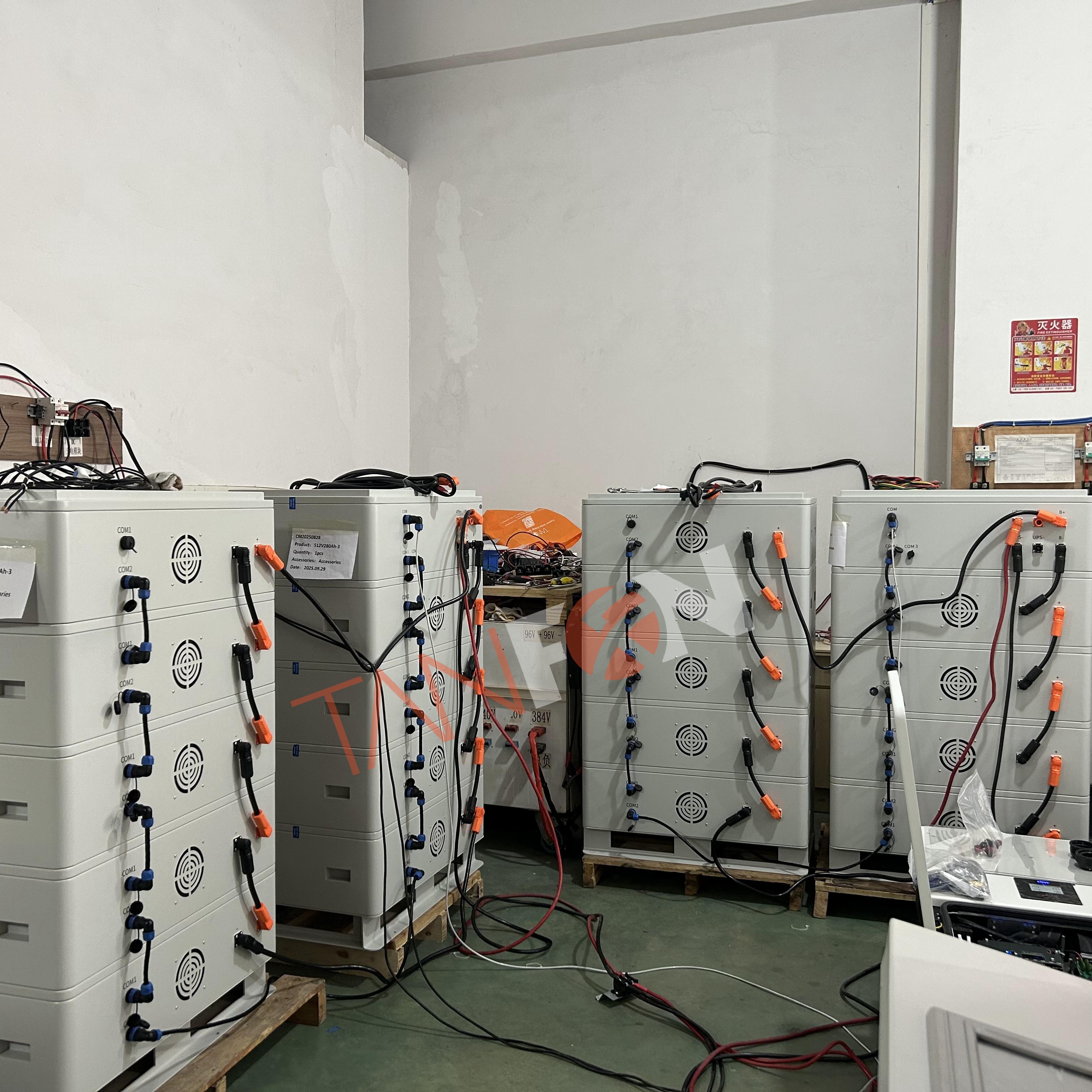
Can Solar Power Run Factory Machines? A Practical Guide to Industrial Solar Systems
Solar power can run many types of factory machines, including three-phase motors, air compressors, pumps, processing equipment, and selected production lines. However, powering industrial machinery requires more than installing solar panels. The system must be designed around the factory's operating loads, motor starting currents, power quality requirements, production schedule, and backup power needs.
For manufacturers facing high electricity bills, unreliable grid supply, or rising diesel costs, a properly engineered industrial solar system can reduce energy expenses while improving power resilience. The key is to match the photovoltaic (PV) array, inverter, battery storage, and electrical protection to the actual requirements of the facility.
1. Can Solar Power Run Heavy Factory Machines?
Yes. Solar energy can supply power to many industrial machines when the system is correctly sized and configured. The main challenge is that some machines require significantly more power when starting than they consume during normal operation.
Common industrial loads include:
- Three-phase motors used in pumps, conveyors, and processing machinery
- Air compressors and ventilation equipment
- CNC machine tools and automated production equipment
- Refrigeration and cold-storage systems
- Packaging lines, lighting, and auxiliary equipment
These loads do not all behave in the same way. Resistive loads, such as many heating elements, generally have different starting characteristics from inductive loads such as motors and compressors.
Before selecting equipment, engineers should evaluate the machines' rated power, starting method, starting current, operating hours, and the possibility of multiple machines starting simultaneously.
Why Motor Starting Current Matters
Electric motors can draw several times their normal operating current during startup, depending on the motor design and starting method. If the inverter cannot handle this temporary demand, the system may experience voltage drops, overload alarms, or shutdowns.
A reliable industrial solar solution should therefore consider both continuous power and short-duration surge requirements. Engineers should verify the inverter's overload rating, the duration for which it can sustain that overload, and whether its output is suitable for the factory's motor loads.
For demanding applications, a variable-frequency drive (VFD) or soft starter may help reduce motor starting current when compatible with the equipment and process. These devices do not replace correct inverter sizing, but they can make the electrical system easier to manage.
2. How to Design a Solar System for Factory Equipment
An industrial solar system typically combines PV modules, inverters, electrical protection, monitoring, and—where required—battery storage. The correct configuration depends on whether the factory operates during daylight hours, requires power at night, or needs backup during grid outages.
Three-Phase Inverters and Power Quality
Many industrial facilities use three-phase electrical equipment. The inverter must match the factory's supply voltage, frequency, phase configuration, and load characteristics.
In addition to rated output power, engineers should check:
- Continuous output capacity under the expected operating conditions
- Short-term overload and motor-starting capability
- Voltage and frequency regulation
- Power factor and compatibility with reactive loads
- Harmonic distortion and compatibility with sensitive equipment
- Protection functions, grounding arrangements, and grid-interconnection requirements
Sensitive control systems, including programmable logic controllers (PLCs), may be affected by voltage dips or poor power quality. Proper system design and commissioning can help reduce the risk of production interruptions caused by electrical disturbances.
Solar Generation and Factory Load Profiles
Solar production changes throughout the day, while factory demand varies with shifts, machinery cycles, and production schedules. A load-profile assessment helps determine how much solar energy the facility can use directly and how much excess generation may be available for storage.
Factories that operate mainly during sunny hours may be able to use a substantial portion of their solar generation directly. Facilities with night shifts or critical loads during grid outages may need battery storage or another backup source.
A hybrid system can coordinate solar generation, batteries, grid electricity, and a diesel generator where the equipment and system design support those sources. The control strategy should prioritize safe operation, reliable power delivery, and efficient energy use.
3. When Does a Factory Need Battery Storage?
Battery storage is not essential for every grid-connected solar installation. Its value depends on the factory's load profile, electricity tariff, grid reliability, and need for backup power.
A battery energy storage system (BESS) can store surplus solar energy and discharge it later. Depending on its design and operating settings, it may also provide backup power, help manage peak demand, or reduce generator runtime.
Understanding a 150kWh Battery Energy Storage System
A 150kWh battery energy storage system describes the battery's nominal energy capacity, not the amount of power it can deliver at any moment. The battery's usable energy depends on factors such as its permitted depth of discharge, operating limits, and system efficiency.
Its discharge power is a separate specification, usually expressed in kW. For example, a battery with 150kWh of nominal capacity cannot automatically be assumed to supply a 150kW load for one hour. The battery's power rating, usable capacity, inverter limits, and losses all affect actual performance.
When sizing storage for a factory, engineers should consider:
- Which machines must remain operational during an outage
- The duration of backup required
- The loads that can be switched off or delayed
- The factory's nighttime energy consumption
- Battery charge and discharge limits
- Whether grid charging or generator charging is permitted and required
A carefully designed BESS can support production continuity, but battery capacity should be determined from measured or calculated energy demand rather than selected solely by nominal size.
4. What About a 75kW Hybrid Solar Energy System?
A 75kW hybrid solar energy system may be suitable for a small or medium-sized industrial facility, depending on the equipment being powered and the site's energy requirements. However, 75kW should not be treated as a universal solution for every factory.
The final design depends on the total connected load, simultaneous operating demand, motor-starting characteristics, available roof or ground space, local solar conditions, and required backup duration.
A customized solution may combine a 75kW solar array or inverter configuration with lithium battery storage. The actual PV capacity, inverter output, and battery capacity must be specified separately.
For example, the phrase “solar system with 75kW lithium battery storage” can be technically ambiguous because kW measures power, while kWh measures stored energy. A clearer description is “a 75kW solar system with lithium battery storage.” If the battery's nominal energy capacity is confirmed to be 150kWh, the specification can be written as “a 75kW hybrid solar system with a 150kWh battery energy storage system,” provided those values match the proposed equipment.
The engineering design should also establish which loads the battery will support, whether the system can operate during a grid outage, and how the system will respond to sudden load changes.
5. Real Project Experience: A 75kW Hybrid Solar Solution for an Ice Factory in Djibouti
Industrial solar design must reflect the real operating conditions of the business. An ice factory, for example, depends on reliable electricity for production equipment and refrigeration-related operations. Unexpected outages can interrupt production, affect cold-storage processes, and create financial losses.
Tanfon's project portfolio includes a 75kW Hybrid Solar Solution for an Ice Factory in Djibouti. The project illustrates the relevance of customized hybrid solar solutions for industrial facilities where electricity reliability is directly connected to daily operations.
View the 75kW Hybrid Solar Solution for the Ice Factory in Djibouti.
For an ice factory or similar manufacturing site, an engineering assessment should focus on several practical questions:
Which loads are critical? Production machinery and refrigeration-related equipment may have different operating priorities. Critical loads should be identified before the system is designed.
What happens when a motor starts? Compressors, pumps, and other motor-driven equipment can create temporary demand peaks. Inverter sizing and starting methods must be evaluated against these requirements.
How long must the facility operate during an outage? Battery capacity should be calculated from the energy required by the selected loads and the intended backup duration.
How will the system manage changing loads? A suitable control strategy should coordinate solar generation, battery operation, and any available grid or generator supply.
The important lesson is that industrial solar design should begin with the production process and electrical load profile—not with a standard package chosen only by its kW rating.
Note: The published case-study listing confirms the project's name and 75kW system designation. Detailed battery capacity, equipment model numbers, and measured savings should be included only after they have been verified against the full project records.
6. Factory Solar Safety and Compliance
Industrial solar systems must be designed, installed, and commissioned with appropriate attention to electrical safety and local regulations. Certification documents are important, but they do not replace project-specific engineering or statutory approval.
Verify Product Documentation
Before purchasing a system, factory owners and engineering contractors should check the documentation applicable to the target market and product category.
Relevant items may include:
- Quality management documentation, such as ISO 9001 certification within its stated scope
- Environmental management documentation, such as ISO 14001 certification where applicable
- Applicable product conformity documentation, including CE marking or relevant UL certifications and listings
- Inverter and battery technical datasheets
- Protection settings, installation instructions, and warranty terms
CE marking and UL certification or listing are not interchangeable. Their relevance depends on the equipment, destination market, and applicable requirements.
Assess the Installation Site
For rooftop installations, a structural assessment should verify that the roof can safely support the proposed equipment and mounting system. Wind loads, roof condition, waterproofing, and maintenance access should also be considered.
Ground-mounted systems require appropriate foundations, equipment clearances, drainage, and protection against environmental hazards.
Electrical safety measures may include correctly rated overcurrent protection, suitable DC isolation, grounding and bonding, surge protection, and arc-fault or rapid-shutdown functions where required by applicable codes and equipment design. Fire protection and emergency access should be addressed through a site-specific risk assessment.
Inspect and Commission the System
Before operation, the installation team should verify electrical connections, grounding, protective devices, inverter settings, and monitoring functions. Appropriate inspections may include insulation-resistance tests, polarity checks, grounding tests, and thermographic inspections where suitable.
Commissioning should also test the system's response to expected operating conditions, including load changes and transitions between available power sources. These checks help identify issues before they disrupt production.
7. How Industrial Solar Can Reduce Operating Costs
A well-designed factory solar system can lower electricity purchases by generating energy on-site. Where tariffs support it, battery storage may also help reduce peak demand or shift energy use to more economical periods.
The financial results depend on local electricity prices, solar resource, production schedules, system costs, battery replacement assumptions, and maintenance requirements. Factories should assess the total cost of ownership rather than comparing equipment prices alone.
A useful feasibility study should estimate:
- Annual solar generation
- The percentage of solar energy consumed on-site
- Expected grid electricity savings
- Battery losses and operating costs
- Backup-power requirements
- Maintenance and eventual battery replacement
- Payback period under realistic operating assumptions
Diesel savings should also be calculated from actual generator runtime and fuel consumption. A solar-plus-storage system may reduce generator use, but the amount depends on the site's loads, system capacity, and control strategy.
8. Why Factory Solar Projects Need Customized Engineering
Every factory has a different combination of equipment, operating hours, electrical infrastructure, and site conditions. A standardized solar package may not adequately address high starting currents, critical production loads, or the need for backup power.
Before requesting a quotation, factory owners and EPC contractors should prepare the following information where available:
- Recent electricity bills and interval load data
- A list of major machines, including rated power and starting methods
- Daily production schedules and operating hours
- Details of the existing grid connection and diesel generator
- The required backup duration and critical loads
- Roof drawings, site plans, and installation constraints
- The destination country's electrical and safety requirements
With this information, the engineering team can evaluate the appropriate PV capacity, inverter configuration, battery energy capacity, protection equipment, and energy-management strategy.
Conclusion: Can Solar Power Run Factory Machines?
Yes. Solar power can operate many factory machines when the system is designed to accommodate continuous loads, motor-starting demand, power-quality requirements, and the facility's operating schedule.
A properly engineered industrial solar solution may combine three-phase inverters, PV generation, lithium battery storage, and grid or generator backup. The right configuration depends on the factory's real electrical requirements—not simply its total installed machine capacity.
For manufacturers considering a 75kW hybrid solar energy system or a 150kWh battery energy storage system, the next step is to assess the load profile, identify critical equipment, and calculate the required power and energy capacities separately.
Contact Tanfon to discuss your factory's energy requirements and request a customized industrial solar solution.
Table of Contents
- Can Solar Power Run Factory Machines? A Practical Guide to Industrial Solar Systems
- 1. Can Solar Power Run Heavy Factory Machines?
- 2. How to Design a Solar System for Factory Equipment
- 3. When Does a Factory Need Battery Storage?
- 4. What About a 75kW Hybrid Solar Energy System?
- 5. Real Project Experience: A 75kW Hybrid Solar Solution for an Ice Factory in Djibouti
- 6. Factory Solar Safety and Compliance
- 7. How Industrial Solar Can Reduce Operating Costs
- 8. Why Factory Solar Projects Need Customized Engineering
- Conclusion: Can Solar Power Run Factory Machines?
