EN
EN
Evaluating Initial Expenditures and Real Investment Realities
When a business owner or facility director starts researching how to slash rising operational expenses, the upfront financial commitment required for a commercial solar system is usually the first major topic of discussion. Over my years engineering robust renewable power setups for factories and large corporate offices globally, I have analyzed countless balance sheets trying to balance hardware performance with budget realities. A standard, high-capacity commercial solar system can range anywhere from fifty thousand dollars for a medium enterprise setup to well over a quarter-million dollars for a massive industrial complex. While these numbers might seem intimidating at a first glance, the true focus should always be on the long-term levelized cost of energy. Transitioning away from unpredictable municipal utility rates transforms an uncontrolled monthly expense into a fixed, highly predictable corporate asset that protects your bottom line for decades.
Dissecting Hardware Components and Quality Manufacturing Standards
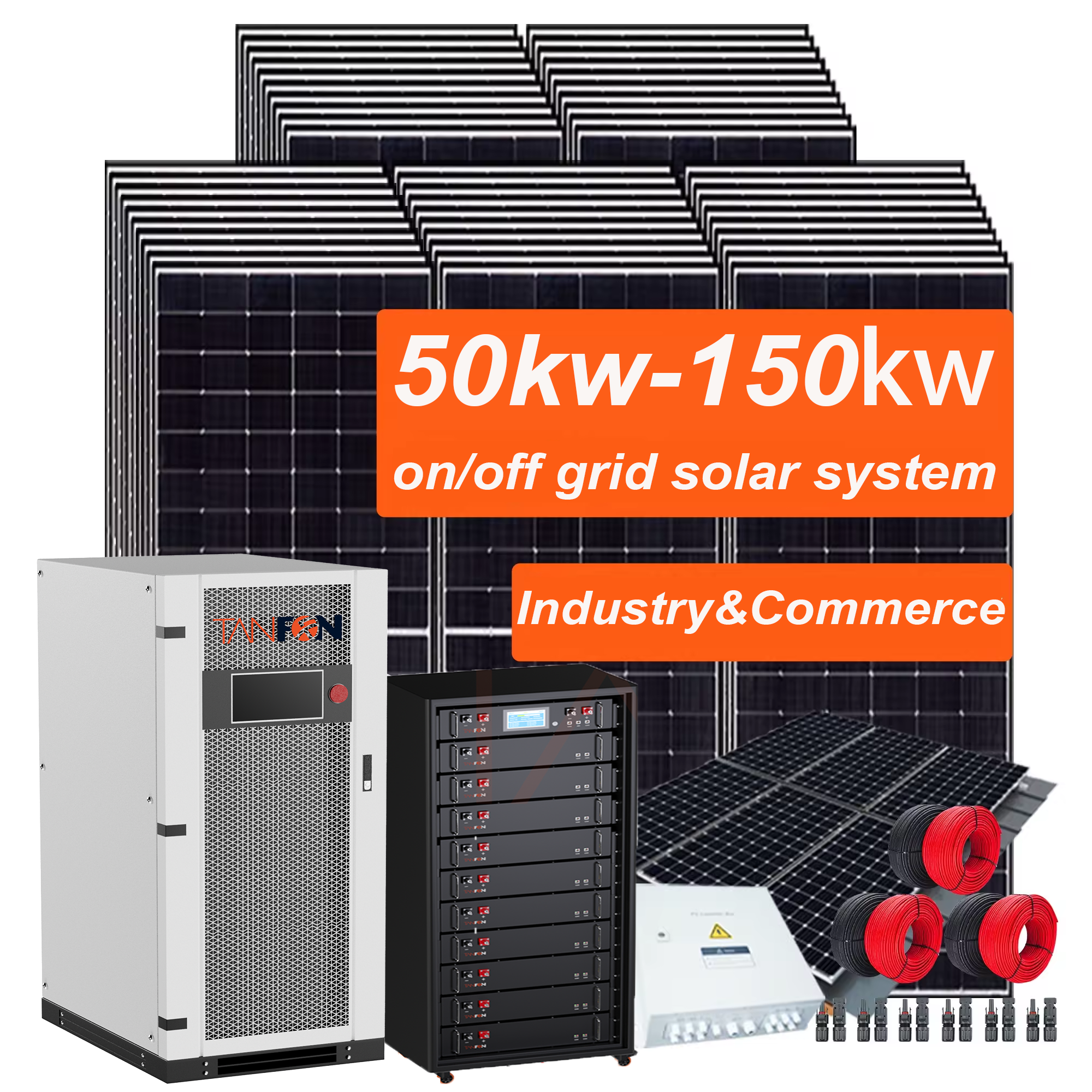
To fully comprehend what drives the overall pricing of a comprehensive commercial solar system, you must look beneath the surface at the engineering quality of the individual components. A professional-grade installation requires hundreds of high-efficiency monocrystalline PV modules, heavy-duty weather-resistant racking mechanisms, industrial combiner boxes, and advanced smart inverters designed to process massive amounts of electrical current. In my personal experience troubleshooting failing setups designed by budget-cutters, using cheap, unverified hardware always leads to system breakdowns within the first few years of operation. This is exactly why our manufacturing philosophy centers on automated machine plug-in production and rigorous factory quality control, subjecting our heavy-duty inverters and power cabinets to automated power-on testing a hundred times per hour before they ever get packed for shipment.
Assessing Storage Integration and Smart Power Management Needs
The total capital investment for your clean energy infrastructure shifts significantly based on whether your operational profile demands a grid-tied, off-grid, or hybrid configuration. Incorporating a robust battery storage bank using premium lithium iron phosphate chemistry naturally increases the initial purchase price, but it completely redefines your facility's operational resilience. According to global energy research data from leading sustainability institutes, commercial properties that pair their commercial solar system with smart energy storage achieve a much faster return on investment by avoiding peak-demand utility charges and maintaining full operational capacity during blackouts. Utilizing an intelligent multi-phase hybrid inverter allows your facility to store cheap daytime solar power and seamlessly discharge it when grid prices skyrocket, keeping your sensitive production machinery running perfectly without a millisecond of voltage fluctuation.
Examining Structural Installation Timelines and Local Compliance Costs
Another significant factor that influences the complete financial scope of your project involves the local engineering labor, structural structural assessments, and utility compliance fees required to get your system legally online. Depending on whether your project requires a complex rooftop matrix, a specialized ground mount, or a custom solar carport, physical installation timelines typically span between several weeks and a couple of months. During this phase, having a factory-integrated, plug-and-play architecture with pre-assembled distribution cabinets saves an immense amount of local engineering labor costs and eliminates common wiring mistakes. Ensuring your system provider delivers comprehensive, step-by-step video support and direct engineering oversight ensures your local installation crew can breeze through safety inspections and achieve grid interconnection without experiencing costly bureaucratic delays.
Maximizing Operational Return with Intelligent Cloud Monitoring
A smart investment isn't always about getting the lowest price on the market. It's about getting the most out of your clean energy network. High-capacity commercial solar system installations are no longer passive systems you just set and forget. They're complete digital systems that you can manage and control from anywhere. With the system support application, your facilities management team or support engineers can view your site's actual energy production and make real time adjustments to control the flow of energy to your business. Your time and money invested in the support application and the system is reduced by the digital support offering. Your business can take advantage of digital energy systems and control your energy costs for 25 years.