
 EN
EN
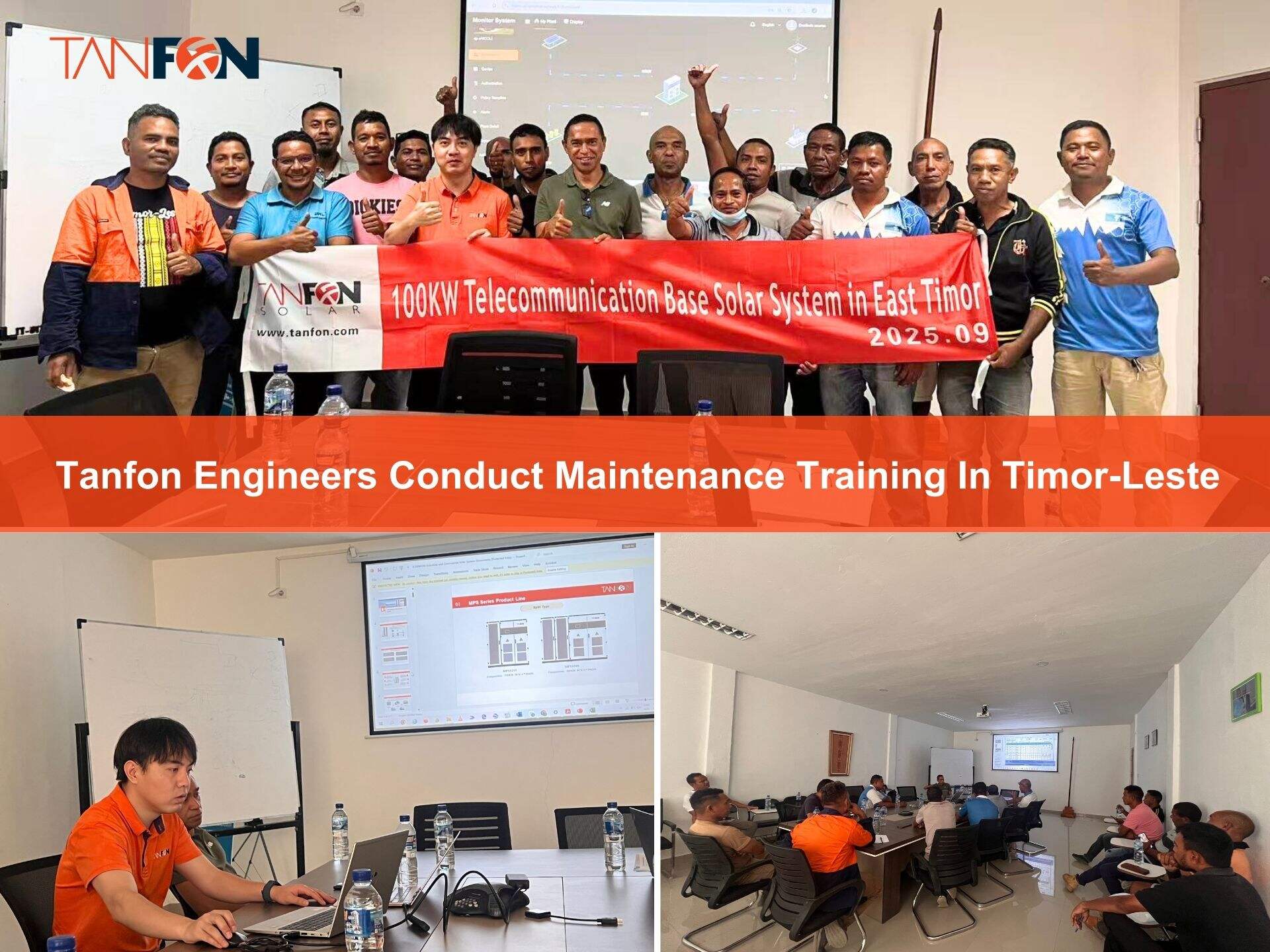
1.Unreliable power grids in Africa, expensive and noisy diesel fuel.
Many parts of Africa experience power outages for several hours daily, sometimes even up to ten hours, with fluctuating voltage. 600 million people lack access to electricity. They are forced to rely on diesel generators, but these are expensive, noisy, and polluting. My biggest takeaway from project site visits is that these areas are ideally suited for solar power. Ample sunlight, quick installation, and no need for wiring make them a perfect match.
2.Technical aspects: The system must withstand high temperatures, dust, and unpredictable loads.
Ordinary equipment doesn't work in Africa. Our system is built using German 5S technology, with a built-in transformer inverter, supporting 110% overload, 200A fast charging (fully charged in 2 hours), and 100% three-phase imbalance—especially important for places with uneven power consumption like factories and hotels. Specific configurations: Small businesses use 30-100kW with 60-200kWh energy storage; large factories use 150-300kW with 300-600kWh energy storage; large industrial parks use 500kW-2MW with 1-4MWh energy storage. All have been tested in high-temperature, dusty environments and are durable.
3. Real-world examples: Mountain resorts, PVC factories, 8MWh project in Chad.
We have completed over 50,000 projects in more than 160 countries worldwide. For example, a mountain resort without a power grid installed a 15kW off-grid system with remote monitoring, allowing the owner to check the power generation status via their mobile phone. Another PVC factory, operating during the day, was equipped with a 60kW system; electricity costs decreased without shortening battery life. There is an 8MWh government demonstration project in Chad, and a 1MW/1.8MWh village-level system in the Democratic Republic of Congo—providing stable power even in areas without a grid.
4. Economic Benefits: 80% Savings on Electricity Costs, 40% Reduction in Operating Costs
A 10kW diesel generator consumes approximately 2.5 liters of fuel per hour at full load (about 15-20 yuan). If there's a 5-hour power outage daily, the annual fuel cost exceeds 25,000 yuan. However, a solar + energy storage system of the same power can cover the equipment cost with fuel savings in 3-4 years, and then generate electricity almost for free for the next decade or more. Users are most concerned about cost; with solar power, electricity costs can be reduced by up to 80%, and we provide 25 years of free predictive maintenance, further reducing operating expenses by 40%. Compared to diesel generators: no fuel costs, lower noise, no black smoke, and safer equipment. Our one-stop service includes design, installation, acceptance, 24-hour remote monitoring, and 72-hour on-site repair. For schools, hospitals, factories, and hotels, stable electricity means normal operation, reduced losses, and increased profits.
5. Finally, Guarantee: Nearly 20 Years of Experience, Global Service Network
We've been in the solar energy industry since 2007, almost 20 years. All systems have undergone rigorous testing for high-temperature, high-humidity, and dusty environments. Our global supply chain and service network covers major regions of Africa, ensuring timely response to any issues. Whether it's a small residence, a small shop, a large factory, or a large village, we customize solutions based on local sunlight and electricity usage. Simply put, in areas with unstable power grids, a reliable solar system is the most worry-free and cost-effective long-term investment.
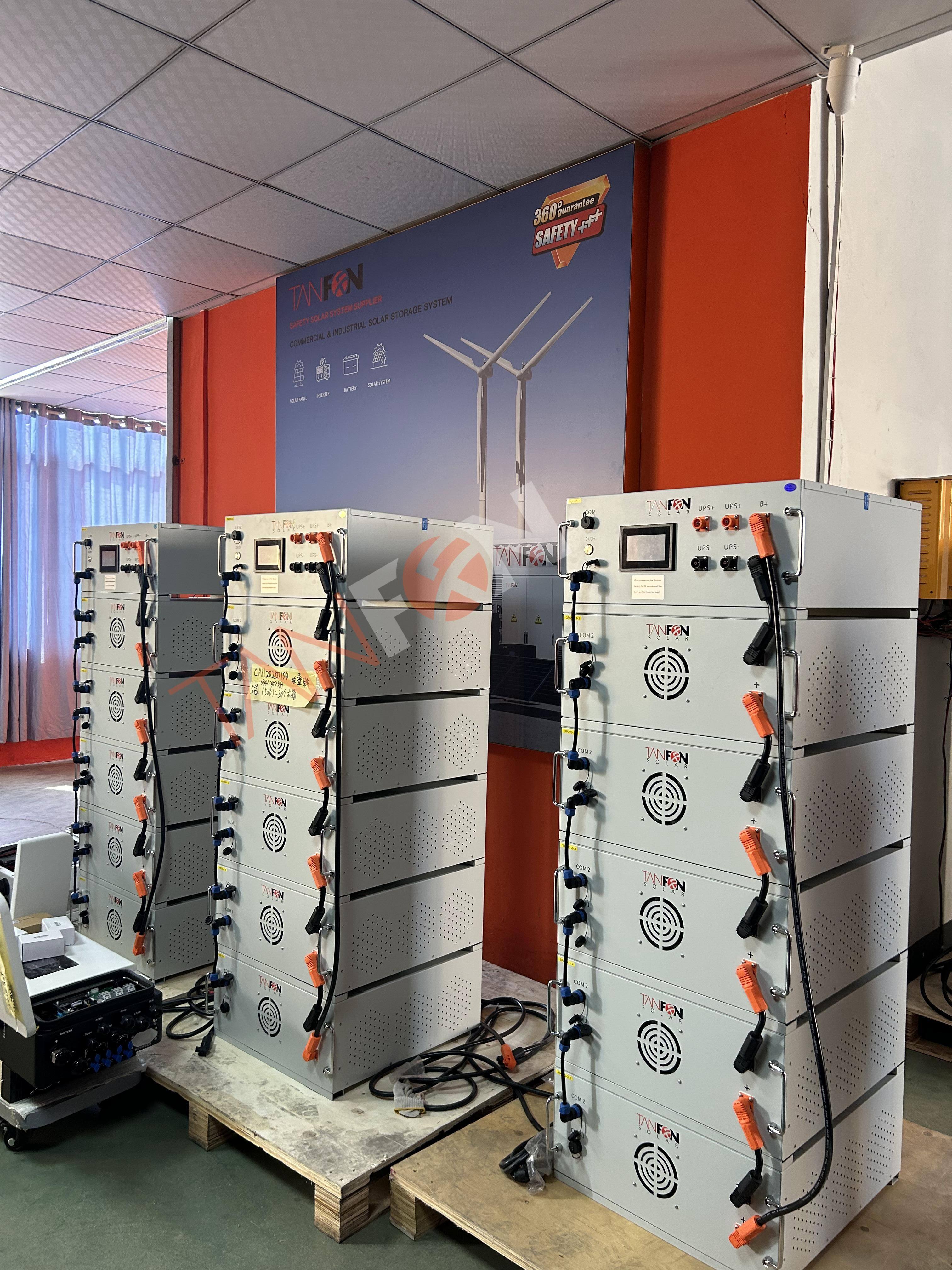
Table of Contents
- 1.Unreliable power grids in Africa, expensive and noisy diesel fuel.
- 2.Technical aspects: The system must withstand high temperatures, dust, and unpredictable loads.
- 3. Real-world examples: Mountain resorts, PVC factories, 8MWh project in Chad.
- 4. Economic Benefits: 80% Savings on Electricity Costs, 40% Reduction in Operating Costs
- 5. Finally, Guarantee: Nearly 20 Years of Experience, Global Service Network