
 EN
EN
Unique Power Needs of African Clinics
Clinics in Africa face distinct energy challenges that make a reliable Solar System essential for daily operations. Many rural and semi urban clinics operate in areas with weak, intermittent grids or no grid access at all. Power outages can disrupt cold chains for vaccines and medications, disable diagnostic equipment, interrupt lighting during treatments, and even threaten patient safety. According to health infrastructure reports, more than half of rural medical facilities in sub Saharan Africa lack consistent electricity, forcing many to rely on costly, noisy diesel generators that increase operational expenses and environmental risks. Based on years of on the ground experience installing energy solutions for clinics across more than 160 countries, we know that a dedicated Solar System designed for medical use can provide stable, 24 hour power while lowering long term costs. Such a system must support critical loads including vaccine refrigerators, lighting, diagnostic tools, emergency equipment, and office devices, all while operating reliably in high temperature, dusty, and humid environments common across Africa.
Key Technical Features for Clinic grade Solar System
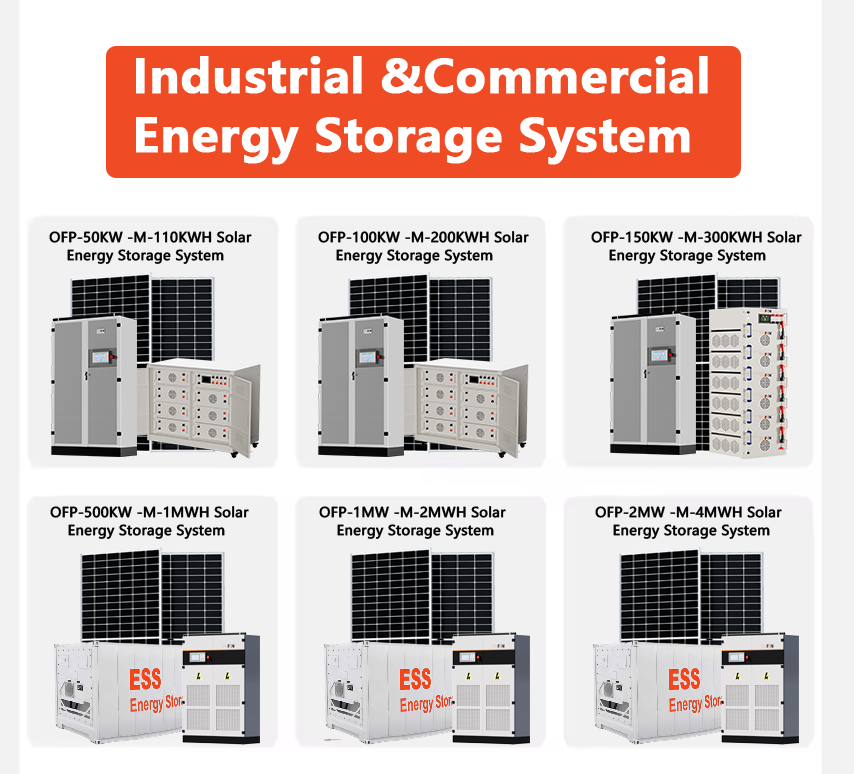
The best Solar System for African clinics combines robust hardware, intelligent control, and stable energy storage to meet strict medical reliability standards. Our residential and commercial Solar System lines are fully adaptable to clinic requirements, with configurations ranging from 30kW to 100kW for small health centers and 150kW to 300kW for larger clinics and health posts. These systems use German 5S production technology and intelligent generator control to maintain steady performance under harsh conditions. The high protection inverter with built in transformer supports 110% overload capacity, 2 hour fast recharge with 200A charging current, and 100% three phase load imbalance tolerance—critical features for uneven medical equipment loads. For backup continuity, we integrate battery storage from 60kWh up to 600kWh, ensuring power remains available during extended outages, cloudy periods, or overnight operations. Our Solar System also supports remote monitoring and control, allowing administrators to track performance, detect issues early, and ensure nonstop service for patient care.
Practical Applications and Field Experience in Clinics
We have successfully deployed dozens of solar system solutions for clinics and health centers in Africa, with real-world results validating their true value. One remote mountain clinic previously had no grid coverage and extremely unstable diesel power. We installed a 30 kW off-grid solar system with 60 kWh of energy storage, providing uninterrupted power for consultation rooms, laboratories, vaccine cold chain facilities, and emergency lighting. Staff can now remotely monitor the system status via mobile phone, eliminating the need for frequent on-site inspections. Another urban clinic facing frequent power outages installed a 60 kW grid-connected solar system with backup energy storage, maintaining full operation during outages and significantly reducing monthly electricity costs. These projects demonstrate that well-designed solar systems not only solve power shortages but also improve service quality, extend operating hours, and enhance community trust in local healthcare services. With over 50,000 successful projects worldwide, we ensure an understanding of regional environments and provide durable, adaptable solutions.
Economic and Medical Value of a Professional Solar System
Beyond trustworthy power, an excellent Solar System provides ancillary economic and public health returns for African clinics. Diesel generators transfer a significant economic burden to clinics through the cost of fuel, regular maintenance, and replacement. In contrast, our Solar System helps users reduce electricity bills by as much as 80%. Combined with 25-year free predictive maintenance, this translates to a 40% reduction in operational costs. Diesel costs, combined with a heavy maintenance burden, mean clinics can use the limited budget for medicines, staffing, and equipment. Experts in the health sector have ascribed a variety of positive outcomes to increased access to reliable electricity, including expanded vaccination coverage, increased treatment hours, and modern preventive diagnostics and support, and decreased deaths and illness. Our complete package of services removes the technical barriers to installation for clinics with limited maintenance capacity and includes professionally engineered design and consultation, free of charge installation, and project acceptance, as well as 24/7 remote diagnosis and a 72-hour on-site response. A reliable Solar System an asset for clinics and the community.
Selecting the Optimal Solar System for African Clinics
Selecting a solar solution for an individual clinic is determined by its size and location, solar system capacity and storage, clinic equipment, and the power grid. For small, rural clinics, a 30kW–60kW solar system with 60 kWh–200 kWh storage is generally sufficient. A larger clinic, with greater patient loads and/or more sophisticated equipment, will require a system in the range of 100kW–300kW, with storage of 300 kWh–600 kWh. Clinics located in the regions with no power system at all will need a self-contained, off-grid solar system for full power. In areas with an irregular or unstable power grid, a hybrid on-grid system with battery backup and off-grid solar is a solution that delivers continuity of power and seamless switching. As a company that has built resilient solar solutions for the sub-Saharan African markets since 2007, we subject all our systems to harshest real-world conditions of high ambient temperatures and dry, dusty climates, as well as electrical stress of high surges. With a combination off all our capabilities, and our long-term commitment, we ensure that our clients’ clinics remain functional when most required. For clinics across Africa, a specialized solar system to power their clinics is not a mere choice of energy; it is an investment to provide enduring solar systems that support health care that is both sustainable and accessible to the community.