
 EN
EN
Understanding the Real Timeline of Large Scale Clean Energy Deployment
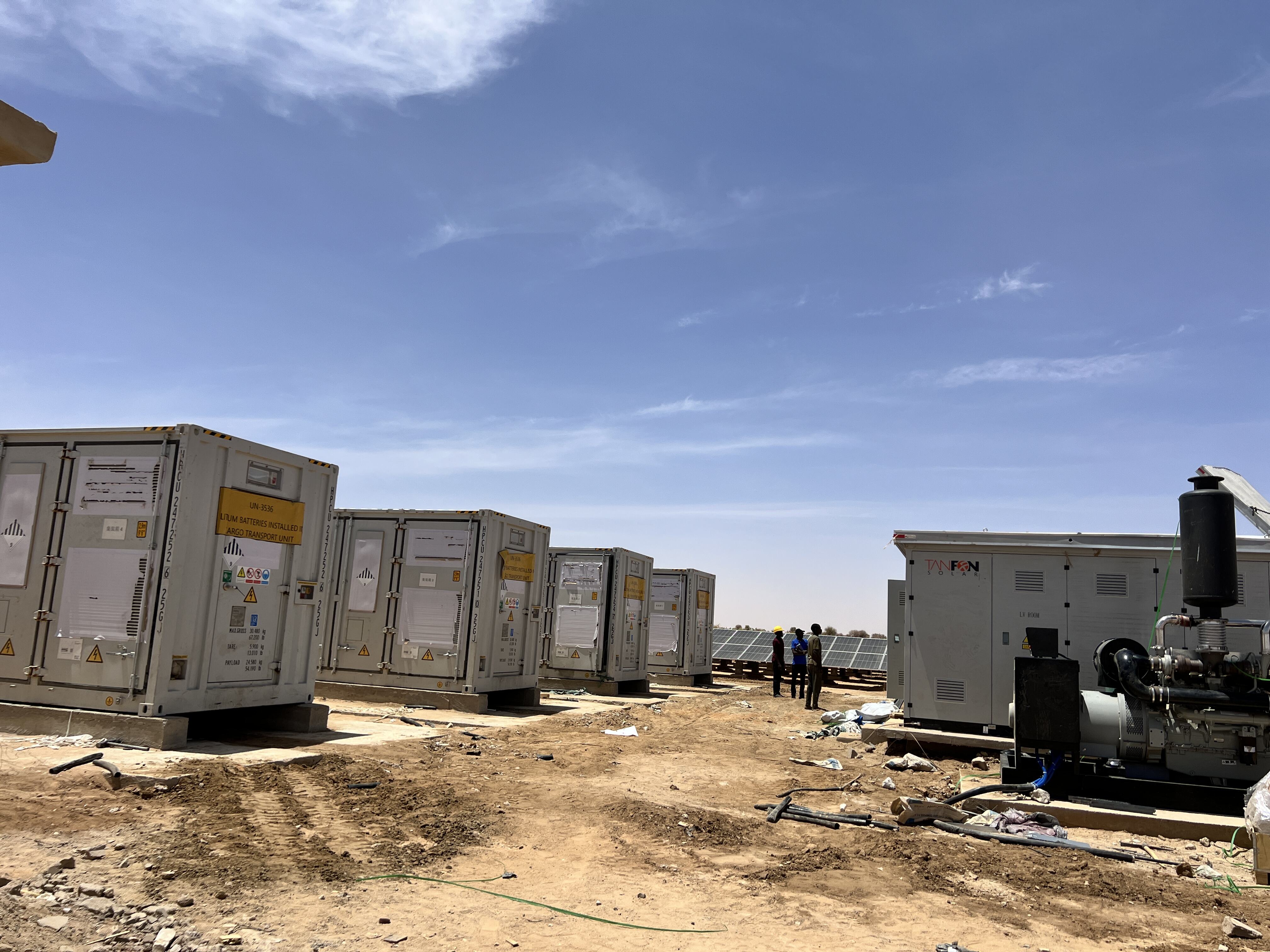
When a manufacturing plant or large commercial warehouse decides to switch to renewable energy, the first question the board asks is: How long will the transition disrupt daily operations? Over the years, overseeing large-scale energy projects across continents, I've found that the actual deployment time for a complete industrial solar system is typically two to three months. This timeframe doesn't refer to the physical labor of fixing solar panels to the roof, but rather to meticulous engineering design, stringent local grid compliance, and thorough plant preparation. For plant managers, understanding on-site construction, while only a small part of the overall project timeline, is crucial for maintaining smooth business operations and developing sound production plans.
Navigating Pre Construction Engineering and Smart Factory Customization
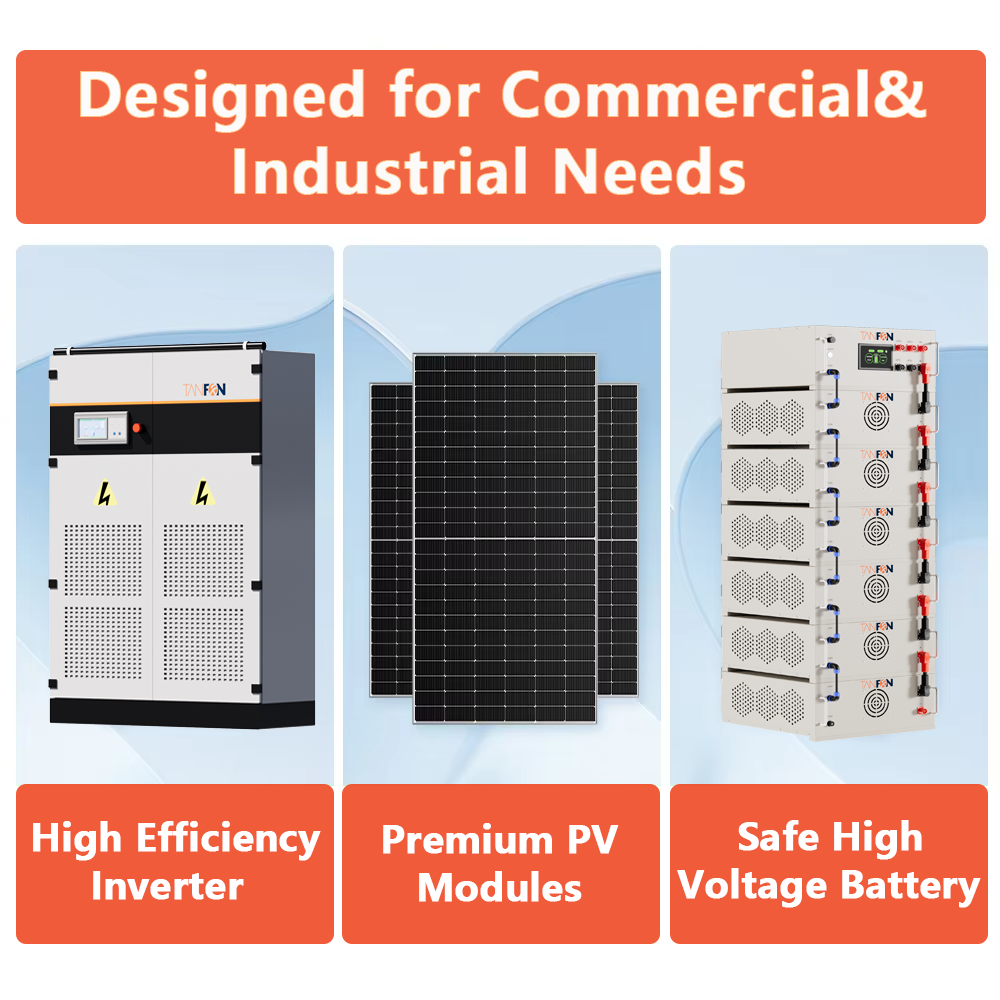
The groundwork for a successful and highly efficient industrial solar system is laid long before any heavy equipment arrives at your facility. During the initial four to eight weeks, engineering teams focus entirely on detailed site surveys, structural load calculations, and tailored electrical schematics that match your specific machinery requirements. In our manufacturing facility, we utilize advanced automated machine production lines to customize major components, such as high-capacity distribution cabinets and intelligent heavy-duty inverters, ensuring they pass rigorous multi-point stress tests repeated dozens of times per hour. Investing this time upfront in precise factory configuration prevents costly field modifications later, making certain that when the hardware arrives, it functions flawlessly as a cohesive ecosystem tailored to your operational environment.
Breaking Down On Site Physical Construction and Assembly Phases
Once all the customized hardware clears our stringent quality control gates and arrives at your facility, the physical assembly phase begins, typically requiring anywhere from one to three weeks of active on-site labor. This phase involves installing heavy-duty, weather-resistant mounting structures, securing hundreds of high-wattage monocrystalline solar modules, and integrating specialized lithium storage battery banks. In my personal experience managing these field installations, project delays during this phase are almost always caused by mismatched, low-quality components sourced from different suppliers. By deploying a fully integrated, pre-tested industrial solar system package, the local engineering crew can follow straightforward, step-by-step video guidance to eliminate common wiring mistakes and complete the mechanical installation ahead of schedule.
Managing Grid Interconnection Compliance and Rigorous System Testing
The final major hurdle before you can flip the main switch and enjoy completely free electricity involves navigating the bureaucratic process of grid interconnection and final safety inspections. According to data from international renewable energy regulatory authorities, securing the necessary approvals from local utility companies can take anywhere from two weeks to two months, depending entirely on regional infrastructure policies. During this waiting period, our field engineers conduct comprehensive power-on testing and simulation sequences to verify that the entire industrial solar system manages high electrical starting currents smoothly. We meticulously check every safety sensor, smart inverter parameter, and automated transfer switch so that the transition between battery storage, solar generation, and the utility grid happens flawlessly without causing a single millisecond of voltage drop for your sensitive production machinery.
Optimizing Long Term Performance with Smart Cloud Monitoring
Once your independent power network is live and connected, there are no installation times to discuss, only operational efficiency and zero-downtime maintenance concerns. Modern commercial energy systems utilize advanced digital integration, allowing your internal facility management team to monitor energy production and consumption in real time via a mobile application. This integrated cloud platform provides our global engineering team with remote troubleshooting capabilities, meaning minor adjustments can be done quickly without an expensive, onsite visit from a technician. By electing a pre-engineered, fully-integrated power asset with extensive factory testing and backed by years of innovative design, your business gains a dependable energy foundation that eliminates utility volatility and preserves your operational budget for twenty-five years.
Table of Contents
- Understanding the Real Timeline of Large Scale Clean Energy Deployment
- Navigating Pre Construction Engineering and Smart Factory Customization
- Breaking Down On Site Physical Construction and Assembly Phases
- Managing Grid Interconnection Compliance and Rigorous System Testing
- Optimizing Long Term Performance with Smart Cloud Monitoring