
 EN
EN
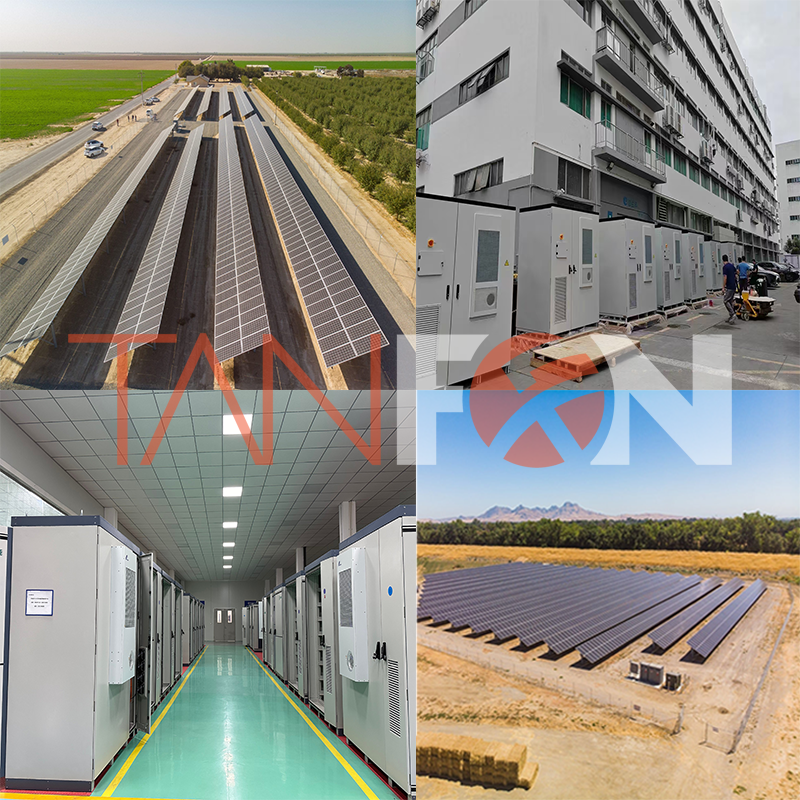
When businesses begin planning a commercial solar project, one question almost always comes first:
- How much battery storage do I actually need?
For hotel owners, factory managers, and commercial property developers, battery sizing is often the most difficult part of designing a solar energy system. Install too little battery capacity, and the business may still depend heavily on diesel generators or experience power interruptions. Install too much, and a significant portion of the investment may sit unused for years.
After working on commercial solar projects across Africa, Southeast Asia, and the Pacific, we've found that many buyers share the same misconception—they believe there is a universal formula for battery sizing.
In reality, there isn't.
Every commercial facility has its own electricity consumption pattern, operating schedule, backup requirements, and financial objectives. A battery system that performs perfectly for one hotel may be completely unsuitable for another, even if both properties have a similar number of guest rooms.
At Tanfon Solar Energy Systems, every commercial Battery Energy Storage System (BESS) begins with a detailed engineering assessment rather than a predefined equipment package. Instead of asking, "How many batteries should I buy?" the better question is:
- How much usable energy does my business actually require when solar power is unavailable?
Only after answering that question can engineers determine the most appropriate battery capacity.
Why Battery Storage Is the Heart of Every Commercial Solar System
Many people assume solar panels are the most important component of a solar installation.
In reality, for businesses that require uninterrupted electricity, battery storage is what transforms solar power from an energy-saving technology into a reliable business power solution.
During the day, photovoltaic panels generate electricity whenever sunlight is available. However, commercial operations rarely stop when the sun goes down.
Hotels continue operating air-conditioning systems, elevators, lighting, kitchens, and security equipment throughout the night.
Factories often run multiple production shifts.
Hospitals require continuous power around the clock.
Without properly sized battery storage, businesses remain dependent on utility power or diesel generators whenever solar generation decreases.
This is particularly important in regions where utility electricity is unstable or unavailable for extended periods.
For many commercial facilities across Africa, battery storage is no longer simply an optional upgrade—it has become a critical component of energy resilience.
Is an Off Grid Solar Power System 50kW Enough?
One of the most common questions we receive is:
Can an off grid solar power system 50kW power an entire hotel?
The short answer is:
It depends.
A 50kW off-grid system may be more than sufficient for a small eco-lodge or boutique hotel with limited electrical loads.
However, the same system could be far too small for a 50-room hotel operating central air-conditioning, commercial kitchens, laundry equipment, swimming pool pumps, and conference facilities.
Many buyers focus only on inverter capacity.
Professional engineers evaluate much more than that.
Before recommending an off grid solar power system 50kW, engineers typically analyze:
- Daily electricity consumption (kWh)
- Peak demand (kW)
- Daytime versus nighttime energy usage
- Number of air-conditioning units
- Kitchen and laundry loads
- Critical equipment requiring backup
- Future expansion plans
- Local solar irradiation
- Expected autonomy during cloudy weather
Only after completing this analysis can the appropriate battery capacity be determined.
In many projects, the battery bank ultimately plays a greater role in system performance than the inverter itself.
Why Bigger Battery Banks Are Not Always Better
A common misconception is that installing the largest possible battery bank automatically creates the best solar system.
In practice, oversizing battery storage often produces diminishing returns.
Every additional battery increases:
- Initial investment
- Equipment weight
- Installation space
- Maintenance requirements
- Capital tied up in unused storage
If that extra capacity is rarely utilized, the additional investment may take many years to recover.
Conversely, an undersized battery bank forces businesses to rely more heavily on expensive grid electricity or diesel generators, reducing the economic benefits of solar power.
The objective is not to maximize battery capacity.
The objective is to optimize battery capacity.
Professional system designers seek the balance between:
- Investment cost
- Backup duration
- Solar generation
- Generator operating hours
- Battery utilization
- Return on investment
This optimization process is one of the primary reasons professionally engineered commercial systems consistently outperform standardized equipment packages.
Battery Storage Is an Engineering Decision—Not a Guess
Choosing battery capacity should never be based solely on recommendations from friends, online calculators, or projects with similar building sizes.
Every commercial building has unique operating characteristics.
A hotel with 30 guest rooms may consume less electricity than a 20-room luxury resort featuring multiple restaurants, swimming pools, conference halls, and centralized air-conditioning.
Likewise, two factories with similar production areas may require completely different battery capacities because of different production schedules.
At Tanfon Solar Energy Systems, battery sizing always begins with a professional load analysis, ensuring that every Battery Energy Storage System (BESS) is engineered around the customer's actual operational requirements rather than assumptions.
That engineering-first approach not only improves system reliability but also helps customers achieve the best long-term return on investment.
The Science Behind Battery Sizing: It's More Than Just Capacity
Many first-time buyers assume battery sizing is simply a mathematical calculation.
For example, if a hotel consumes 1,000 kWh of electricity every day, they may assume they need a 1,000 kWh battery bank.
Unfortunately, commercial energy storage doesn't work that way.
Designing a reliable Battery Energy Storage System (BESS) requires engineers to understand not only how much electricity is consumed, but also when, where, and how that electricity is used.
This is why two hotels with identical daily energy consumption can require completely different battery capacities.
Professional battery sizing always begins with understanding the customer's operating profile rather than selecting equipment from a catalog.
Factor 1: Daily Energy Consumption
The first step is determining how much electricity the facility consumes during a typical day.
This information is usually collected from utility bills, generator fuel records, or a professional load audit.
However, total daily consumption alone does not determine battery size.
Consider two hotels that both consume 1,000 kWh per day.
Although their total energy usage is identical, their battery requirements may differ significantly depending on when that electricity is consumed.
If most energy is used during daylight hours, solar panels can supply a large proportion of the demand directly, reducing the amount of stored energy required.
If the majority of consumption occurs after sunset, the batteries must provide a much larger share of the electricity.
For this reason, experienced engineers analyze hourly load profiles rather than relying solely on monthly electricity bills.
Factor 2: Understanding Daytime and Nighttime Loads
Hotels have highly dynamic electricity demand.
During the day, electricity is consumed by:
- Air-conditioning systems
- Kitchens and restaurants
- Laundry facilities
- Water pumps
- Office equipment
- Guest services
At night, some loads decrease, while others remain constant.
Guest room air conditioning continues operating.
Lighting remains essential.
Security systems, elevators, refrigeration equipment, and communication systems all require uninterrupted electricity.
Because battery storage primarily supports loads when solar production decreases, understanding nighttime demand is often more important than knowing total daily consumption.
A well-designed commercial battery storage system focuses on maintaining critical operations during periods when solar energy is unavailable.
Factor 3: Required Backup Time
Another essential question is:
How long should the battery system keep the business operating without solar power or grid electricity?
The answer depends entirely on the customer's operating objectives.
Some hotels only require enough backup power to bridge short utility outages.
Others expect the battery system to power the entire property throughout the night.
Remote resorts operating an off grid solar power system 50kW often require significantly longer autonomy because utility electricity is unavailable.
Instead of asking how many batteries are needed, engineers first determine the required backup duration.
Typical commercial design targets include:
- 2–4 hours for short grid interruptions
- 8–12 hours for overnight operation
- 24 hours or more for remote off-grid applications
Longer backup durations naturally require larger battery capacity, but they must also be balanced against investment costs and charging opportunities.
Factor 4: Solar Array Size and Charging Efficiency
Battery capacity cannot be designed independently of the solar array.
The two systems must work together.
A larger photovoltaic array can recharge batteries more quickly, allowing a smaller battery bank to deliver the same operational reliability.
Conversely, a smaller solar array may require additional battery storage because available charging energy is limited.
This relationship is especially important for an off grid solar power system 50kW, where solar generation is the primary energy source.
Engineers therefore evaluate:
- Local solar irradiation
- Peak sun hours
- Seasonal weather patterns
- Charging windows
- Battery charging rates
Optimizing both solar generation and battery storage produces better overall system performance than maximizing either one independently.
Factor 5: Usable Battery Capacity Matters More Than Rated Capacity
One of the most misunderstood concepts in commercial battery storage is the difference between rated capacity and usable capacity.
A battery labeled as 100 kWh does not necessarily provide 100 kWh of usable energy.
This depends largely on the battery's Depth of Discharge (DoD).
Traditional lead-acid batteries generally operate at approximately 50% DoD, meaning only about half of their rated capacity should be used regularly if long service life is expected.
By comparison, modern LiFePO₄ batteries typically support 80–90% DoD without significantly affecting cycle life.
For example:
- A 100 kWh lead-acid battery may provide only 50 kWh of usable energy.
- A 100 kWh LiFePO₄ battery can often deliver 80–90 kWh of usable energy safely.
Although the rated capacities appear identical, the available energy is dramatically different.
This is one of the reasons why LiFePO₄ technology has become the preferred choice for commercial Battery Energy Storage Systems (BESS).
Factor 6: Plan for Future Business Growth
Battery sizing should not be based only on today's electricity demand.
Businesses evolve.
Hotels add guest rooms.
Factories install new production equipment.
Restaurants expand kitchen capacity.
Commercial buildings introduce electric vehicle charging stations.
If future growth is ignored during the initial design stage, battery storage may become insufficient within only a few years.
At Tanfon Solar Energy Systems, our engineers evaluate not only current electricity consumption but also future expansion plans before recommending a battery configuration.
Designing with scalability in mind helps customers avoid unnecessary equipment replacement while protecting their long-term investment.
Engineering Is the Difference Between a Good System and a Great One
Many suppliers recommend battery capacity using simple rules of thumb.
Professional engineering takes a very different approach.
Rather than asking:
"How many batteries should I install?"
Experienced engineers ask:
- How does the business consume electricity?
- Which loads are mission-critical?
- How much backup time is actually required?
- How much solar energy is available for charging?
- Will electricity demand increase over the next five years?
Answering these questions leads to a Battery Energy Storage System that is not only technically reliable but also financially optimized.
Ultimately, the goal is not to build the largest battery bank—it is to build the smartest one.
Why LiFePO₄ Batteries Have Become the Preferred Choice for Commercial Solar Projects
Selecting the right battery technology is just as important as determining the correct battery capacity.
Even if two battery systems have the same energy rating, their long-term performance, maintenance costs, service life, and safety can differ dramatically depending on the battery chemistry.
For commercial applications such as hotels, factories, hospitals, shopping malls, and industrial facilities, these differences have a direct impact on operating costs and system reliability.
This is why LiFePO₄ (Lithium Iron Phosphate) batteries have become the preferred choice for modern Battery Energy Storage Systems (BESS).
At Tanfon Solar Energy Systems, LiFePO₄ technology is used in the majority of commercial projects because it delivers the combination of safety, reliability, and lifecycle value that businesses require.
Longer Service Life Means Lower Lifetime Cost
Many buyers focus on the purchase price of a battery.
Professional engineers focus on its total lifecycle cost.
A lower-cost battery that requires replacement every few years is often far more expensive over the lifetime of a commercial solar project than a premium battery with a longer service life.
A typical lead-acid battery may provide between 500 and 1,500 charge-discharge cycles, depending on operating conditions and maintenance.
By comparison, commercial-grade LiFePO₄ batteries commonly exceed 6,000 cycles, and many continue operating efficiently for even longer under proper conditions.
For a hotel that charges and discharges its battery system every day, this can translate into well over fifteen years of reliable operation.
Instead of replacing battery banks multiple times during the lifetime of a solar project, businesses can significantly reduce replacement costs, maintenance expenses, and operational disruption.
When evaluating commercial battery storage, the lowest purchase price rarely represents the lowest long-term investment.
Higher Usable Energy Improves System Efficiency
Another major advantage of LiFePO₄ technology is its ability to operate at a much higher Depth of Discharge (DoD) than conventional lead-acid batteries.
As discussed earlier, battery capacity should always be evaluated in terms of usable energy, not simply rated capacity.
Modern LiFePO₄ batteries can typically operate safely at 80–90% DoD, allowing businesses to utilize a much larger percentage of the stored energy on a daily basis.
This higher usable capacity enables engineers to design more efficient Battery Energy Storage Systems without compromising battery life.
For commercial facilities operating an off grid solar power system 50kW, maximizing usable energy is particularly important because every kilowatt-hour stored must be carefully managed to ensure reliable overnight operation and sufficient reserve during periods of poor weather.
Safety Is Non-Negotiable for Commercial Buildings
For commercial facilities, battery safety is not simply a technical specification—it is a business requirement.
Hotels accommodate hundreds of guests.
Hospitals protect patients and critical medical equipment.
Factories operate valuable production lines.
Office buildings house employees and sensitive electronic systems.
In these environments, battery reliability and safety must never be compromised.
LiFePO₄ chemistry is widely recognized for its excellent thermal and chemical stability.
Compared with many other lithium battery chemistries, it offers a significantly lower risk of thermal runaway, making it one of the safest options for commercial Battery Energy Storage Systems.
When selecting a battery solution, businesses should evaluate not only energy capacity but also the safety certifications, Battery Management System (BMS), thermal protection, and overall system integration.
Reliable engineering is just as important as reliable battery chemistry.
Intelligent Battery Management Makes the Difference
Modern battery storage is no longer simply a collection of battery modules.
Today's commercial Battery Energy Storage Systems operate as intelligent energy platforms.
Each battery communicates continuously with the Battery Management System (BMS), which monitors:
- State of Charge (SOC)
- Cell voltage balance
- Battery temperature
- Charge and discharge current
- Remaining battery capacity
- Alarm status
- System health
This continuous monitoring improves charging efficiency, protects battery life, and provides early warning of abnormal operating conditions.
At Tanfon Solar Energy Systems, every commercial battery solution is integrated with an intelligent Energy Management System (EMS), allowing customers to monitor system performance through a web portal or mobile application.
Users can view real-time information including photovoltaic generation, battery status, grid availability, load consumption, and historical operating data.
Rather than waiting for equipment failures, engineers can identify potential issues remotely and recommend preventive maintenance before business operations are affected.
For customers located in remote regions, this capability significantly reduces maintenance costs while improving overall system availability.
Every Battery System Is Tested Before Delivery
One of the most overlooked aspects of commercial solar projects is system integration.
Even high-quality components may fail to perform properly if communication protocols or control logic are incorrectly configured.
To reduce commissioning risks, Tanfon Solar Energy Systems performs complete system integration testing before shipment.
Rather than testing individual components separately, the photovoltaic array simulation, hybrid inverter, battery system, EMS, and communication network are verified as one complete operating system.
This approach helps ensure that every component communicates correctly before arriving at the project site, reducing installation time and minimizing unexpected commissioning issues.
For international projects, where technical support may be thousands of kilometers away, thorough factory testing becomes especially valuable.
Technology Alone Is Not Enough
Choosing a commercial battery storage solution should never be based solely on battery chemistry.
Successful projects combine:
- Appropriate battery capacity
- Professional system integration
- Intelligent EMS control
- Reliable BMS protection
- High-quality hybrid inverters
- Remote monitoring
- Long-term technical support
Each of these elements contributes to the overall reliability of the system.
Businesses are not simply investing in batteries—they are investing in an energy infrastructure that must support operations every day for many years.
That is why the engineering behind the system is often more important than any individual component.
Project Insight
One lesson we've learned from commercial projects around the world is that customers rarely regret investing in higher-quality battery technology.
What they often regret is choosing a battery system based solely on initial purchase price.
For commercial solar projects, long-term reliability, safety, and lifecycle value consistently outweigh short-term savings.
A properly engineered Battery Energy Storage System becomes more than a backup power source—it becomes a strategic asset that supports business continuity, reduces operating costs, and protects future growth.
Real Hotel Battery Storage Projects: Lessons from Commercial Installations
Understanding battery sizing is one thing.
Seeing how these principles are applied in real commercial projects is another.
Over the years, Tanfon Solar Energy Systems has designed Battery Energy Storage Systems (BESS) for hotels operating under very different conditions—from remote island resorts with no reliable grid connection to city hotels facing frequent utility outages.
Although every project has unique technical requirements, they all follow the same engineering philosophy:
Battery capacity should always be designed around the customer's operational requirements, not around a fixed formula.
The following examples illustrate how this principle works in practice.
Case Study 1: Seychelles Resort – Balancing Nighttime Operation with Investment
One hospitality project involved a resort in the Seychelles that required reliable electricity throughout the night while minimizing diesel generator operation.
Following a detailed energy audit, our engineering team designed a 150 kW hybrid solar system combined with 300 kWh of LiFePO₄ battery storage.
Rather than maximizing battery capacity, the objective was to achieve the optimal balance between backup performance and investment.
Based on the hotel's nightly energy consumption profile, the battery system provides approximately 10–12 hours of backup power, allowing the resort to maintain essential operations after sunset while significantly reducing diesel consumption.
The battery bank works seamlessly with the photovoltaic array and intelligent Energy Management System (EMS), automatically optimizing charging and discharging according to the hotel's daily operating schedule.
Engineering Insight
Many businesses assume that installing larger battery banks automatically improves system performance.
In reality, the best commercial battery storage solution is the one that delivers sufficient backup time while maintaining an attractive return on investment.
Oversizing battery capacity often increases project costs without providing proportional operational benefits.
Case Study 2: Papua New Guinea Hotel – Designing for Maximum Reliability
A hotel project in Papua New Guinea presented a completely different challenge.
The property relied heavily on air-conditioning systems, guest facilities, and motorized equipment, requiring uninterrupted electricity despite limited grid reliability.
To meet these operational requirements, our engineers designed a Battery Energy Storage System incorporating 96 batteries (12V 250Ah), providing approximately 288 kWh of total storage capacity.
However, the most important feature was not the battery capacity itself.
It was the architecture of the battery system.
Instead of operating as one large battery bank, the storage system was divided into two independent battery groups.
When the first battery bank reaches its minimum operating threshold, the Energy Management System automatically transfers the load to the second battery bank without interrupting hotel operations.
This intelligent switching strategy improves system reliability while reducing unnecessary battery stress, helping extend battery life over the long term.
Engineering Insight
Commercial battery design is not simply about installing more batteries.
System architecture is equally important.
Thoughtful battery configuration can improve reliability, extend equipment life, and reduce operational risks without increasing battery capacity.
Case Study 3: Nigeria Hotel – Matching Battery Storage to Business Priorities
Hotels in Nigeria often experience a combination of unstable utility power and high diesel costs.
For one commercial hotel project, uninterrupted electricity was essential for guest rooms, air-conditioning systems, elevators, kitchens, and security equipment.
Instead of designing the battery system to power the entire hotel indefinitely, our engineering team focused on maintaining the hotel's critical nighttime loads while minimizing diesel generator operation.
Battery capacity was therefore determined through a detailed analysis of:
- Nighttime electricity demand
- Backup duration requirements
- Generator operating strategy
- Solar production potential
- Future expansion plans
This engineering-first approach reduced unnecessary battery investment while ensuring reliable power during utility interruptions.
Engineering Insight
The best battery system is not necessarily the largest one.
It is the system that aligns technical performance with business priorities.
For many hotels, protecting critical operations provides a far better return on investment than attempting to power every electrical load under every possible condition.
What These Projects Have in Common
Although these hotels operate in different countries and under different grid conditions, they all followed the same engineering process.
Professional Load Analysis
Every project began with understanding how electricity was actually consumed throughout the day.
Rather than selecting batteries based solely on total daily energy consumption, engineers evaluated hourly load profiles, backup requirements, and operational priorities.
Customized Battery Sizing
No universal battery formula exists.
Even hotels with similar room counts often require completely different Battery Energy Storage Systems because of differences in:
- Air-conditioning demand
- Kitchen operation
- Laundry facilities
- Swimming pools
- Conference centers
- Occupancy rates
- Backup expectations
Every battery bank was therefore designed specifically for the customer's operational requirements.
Intelligent Energy Management
Modern commercial battery systems are far more than collections of battery modules.
Each project integrates:
- Battery Management System (BMS)
- Energy Management System (EMS)
- Hybrid inverter
- PV generation
- Utility grid
- Backup generator
These systems continuously determine the most efficient energy source while protecting battery health and maximizing operational efficiency.
Can an Off Grid Solar Power System 50kW Use the Same Battery Design?
Many customers ask whether these battery sizing principles also apply to an off grid solar power system 50kW.
The answer is yes—but with one important difference.
Because an off-grid system cannot rely on utility electricity, battery storage plays a much larger role in maintaining continuous operation.
Engineers must carefully evaluate:
- Daily solar production
- Nighttime energy demand
- Consecutive cloudy days
- Battery autonomy
- Generator backup strategy
This is why professional load analysis is even more important for off-grid projects than for hybrid systems.
A properly engineered off grid solar power system 50kW is not defined by its inverter rating—it is defined by how well the photovoltaic array, battery storage, and energy management system work together.
Project Insight
One lesson consistently emerges from commercial projects around the world:
Successful battery systems are engineered—not estimated.
Businesses that invest in professional load analysis and customized battery sizing typically achieve higher reliability, lower operating costs, and a better long-term return on investment than those selecting equipment based solely on price or standard package configurations.
At Tanfon Solar Energy Systems, every Battery Energy Storage System is designed with one objective:
Deliver the right amount of energy, at the right time, with the highest possible reliability and the lowest practical lifecycle cost.
How to Size an Off Grid Solar Power System 50kW
One of the most frequently asked questions from hotel owners and commercial facility managers is:
What components are required for an off grid solar power system 50kW, and how much battery storage should it include?
Although the answer varies depending on the application, a properly engineered off-grid system follows a structured design process rather than relying on fixed equipment packages.
Unlike grid-connected systems, an off-grid installation must generate, store, and manage all of the electricity required by the facility. Every major component—from the solar array to the battery bank—must be carefully matched to ensure reliable operation throughout the year.
At Tanfon Solar Energy Systems, every off-grid project begins with a professional engineering assessment to determine the optimal balance between energy independence, system reliability, and investment cost.
Step 1: Analyze the Daily Energy Demand
The foundation of every off-grid solar project is a detailed load analysis.
Rather than starting with the inverter size, engineers first determine how much electricity the building actually consumes during a normal operating day.
This assessment typically includes:
- Total daily energy consumption (kWh)
- Maximum simultaneous load (kW)
- Peak operating hours
- Critical equipment requiring uninterrupted power
- Seasonal variations in electricity demand
- Planned business expansion
For hotels, special attention is given to air-conditioning systems, commercial kitchens, laundry facilities, elevators, water pumps, refrigeration equipment, and guest room loads.
Without understanding these operating characteristics, selecting the correct battery capacity becomes little more than guesswork
Step 2: Size the Solar Array
Once the daily energy demand is known, engineers calculate the required photovoltaic (PV) capacity.
However, panel sizing depends on much more than electricity consumption alone.
Several environmental factors influence solar production, including:
- Peak sun hours
- Local climate
- Seasonal weather conditions
- Panel orientation and tilt angle
- Available installation space
- Future capacity expansion
For example, a commercial facility receiving an average of 5 peak sun hours per day will require a different PV array size than an identical facility located in an area with only 4 peak sun hours.
Rather than designing for ideal weather conditions, professional engineers also account for cloudy periods, dust accumulation, and the gradual decline in panel efficiency over time.
This ensures that the system continues to deliver reliable performance throughout its service life.
Step 3: Determine the Right Battery Capacity
Battery storage is the component that defines how long an off-grid system can continue operating when solar generation is unavailable.
Instead of applying a standard battery size to every project, engineers evaluate several critical factors:
- Required backup duration
- Nighttime electricity demand
- Consecutive cloudy days
- Battery Depth of Discharge (DoD)
- Battery charging efficiency
- Expected operating schedule
For many commercial projects, LiFePO₄ batteries offer the best balance between safety, efficiency, and long-term operating costs.
Their high usable capacity and long cycle life make them particularly suitable for hotels, factories, hospitals, and other facilities that depend on continuous power.
The objective is not simply to install the largest possible battery bank, but to provide sufficient energy storage while maintaining an attractive return on investment.
Step 4: Select a Reliable Hybrid Inverter
Although this article focuses on battery storage, inverter selection is equally important.
A commercial off grid solar power system 50kW should include a hybrid inverter capable of coordinating multiple energy sources simultaneously.
An advanced hybrid inverter should be able to:
- Prioritize solar energy whenever available
- Charge batteries efficiently
- Switch seamlessly between energy sources
- Support generator integration
- Protect connected equipment from voltage fluctuations
- Operate continuously under demanding commercial conditions
For hotels and industrial facilities, intelligent inverter control plays a key role in maximizing energy efficiency and minimizing diesel generator usage.
Step 5: Integrate an Intelligent Energy Management System (EMS)
Modern off-grid solar systems rely on more than high-quality hardware.
An Energy Management System (EMS) continuously monitors and optimizes the entire installation.
The EMS automatically manages:
- Solar generation
- Battery charging and discharging
- Utility or generator backup
- Load prioritization
- Battery protection
- Energy consumption trends
Customers can access real-time system information through a mobile application or web platform, making it easier to monitor performance, identify potential issues, and improve overall energy efficiency.
For commercial projects in remote locations, remote monitoring also reduces maintenance costs by enabling engineers to provide technical support without requiring frequent site visits.
Typical Configuration of an Off Grid Solar Power System 50kW
Although every project is customized, a typical off grid solar power system 50kW may include:
|
Component |
Typical Configuration |
|
Solar Inverter |
50kW Three-Phase Hybrid Inverter |
|
PV Array |
Approximately 70–100kWp (depending on solar irradiation) |
|
Battery Storage |
200–500kWh LiFePO₄ Battery Energy Storage System |
|
Charge Controller |
Integrated MPPT Technology |
|
Energy Management |
Intelligent EMS with Remote Monitoring |
|
Backup Power |
Automatic Diesel Generator Integration |
|
Protection System |
AC/DC Protection and Smart Battery Management System |
This example is intended only as a general reference.
Actual system specifications should always be determined through a professional engineering assessment based on the project's operational requirements.
Why Professional System Design Matters
Many commercial buyers begin their search by asking a simple question:
"How much does an off grid solar power system 50kW cost?"
While pricing is certainly important, experienced engineers understand that the better question is:
"Will the system reliably support my business every day for the next 15 years?"
A lower-cost system that is incorrectly sized can result in higher diesel consumption, reduced battery life, more frequent maintenance, and costly operational disruptions.
By contrast, a professionally engineered solution balances:
- System reliability
- Energy independence
- Capital investment
- Battery lifespan
- Fuel savings
- Future scalability
This engineering-first approach delivers greater long-term value than selecting equipment based solely on initial purchase price.
Expert Recommendation
Every commercial facility has unique operating characteristics.
A 50-room business hotel, an island resort, a manufacturing workshop, and a remote healthcare center all require different battery capacities—even if they use the same 50kW inverter.
At Tanfon Solar Energy Systems, every off grid solar power system 50kW is designed after a comprehensive load assessment, ensuring that the photovoltaic array, Battery Energy Storage System (BESS), hybrid inverter, and Energy Management System operate together as one optimized solution.
Our objective is not simply to provide solar equipment.
It is to deliver a reliable energy infrastructure that supports business continuity, reduces operating costs, and creates long-term value for every customer.
Why Choose Tanfon Solar Energy Systems?
Choosing a commercial solar partner is about far more than comparing product specifications or equipment prices.
A solar power system is expected to operate reliably for 15 to 25 years. During that time, businesses may expand, electricity demand may increase, and operating conditions may change significantly.
The real value of a solar supplier lies not only in the quality of its products, but also in its engineering expertise, system integration capabilities, and long-term technical support.
This is where Tanfon Solar Energy Systems takes a different approach.
Rather than selling standardized equipment packages, we design complete commercial energy solutions based on each customer's operating requirements, project objectives, and future development plans.
Every Project Begins with Engineering
No two commercial buildings consume electricity in exactly the same way.
A hotel with 40 guest rooms may have a completely different load profile from another hotel of similar size because of differences in restaurants, conference facilities, swimming pools, or centralized air-conditioning systems.
Similarly, factories with identical production areas may require very different battery capacities depending on production schedules and equipment types.
For this reason, every project at Tanfon Solar Energy Systems begins with a comprehensive engineering assessment rather than product selection.
Our design process typically includes:
- Electrical load analysis
- Site evaluation
- Solar resource assessment
- Battery autonomy calculation
- PV array optimization
- Future expansion planning
- Return on investment (ROI) analysis
This engineering-first methodology helps customers invest in the right system instead of simply purchasing more equipment than necessary.
Integrated Systems Perform Better Than Individual Components
Many suppliers focus on selling individual products such as solar panels, batteries, or inverters.
However, commercial solar performance depends on how well these components work together.
A high-quality battery cannot compensate for an incorrectly configured inverter.
Likewise, premium solar panels cannot deliver optimal performance without intelligent energy management.
At Tanfon Solar Energy Systems, every commercial solution is designed as one integrated system, combining:
- High-efficiency photovoltaic modules
- Commercial Battery Energy Storage Systems (BESS)
- Three-phase hybrid inverters
- Intelligent Energy Management Systems (EMS)
- Battery Management Systems (BMS)
- Remote monitoring platforms
- Automatic generator control
This integrated approach improves system stability, increases energy efficiency, and reduces long-term operating costs.
Experience Built Through Global Commercial Projects
Commercial solar design is shaped by experience.
Every project presents different environmental conditions, electrical standards, and operational challenges.
Over the years, Tanfon Solar Energy Systems has delivered commercial solar solutions for hotels, factories, hospitals, office buildings, farms, and industrial facilities across Africa, Southeast Asia, the Pacific Islands, and other international markets.
These projects have provided valuable engineering experience in addressing challenges such as:
- Unstable utility grids
- High diesel fuel costs
- Remote off-grid locations
- Three-phase unbalanced loads
- High ambient temperatures
- Seasonal weather variations
- Limited local technical resources
Each completed installation strengthens our understanding of how commercial solar systems perform under real operating conditions—not just in laboratory testing.
That practical experience enables us to recommend solutions based on proven engineering practices rather than theoretical assumptions.
Supporting Customers Beyond Installation
A commercial solar project does not end when the equipment is delivered.
Long-term performance depends on continuous monitoring, preventive maintenance, and timely technical support.
At Tanfon Solar Energy Systems, after-sales service is considered an essential part of every project.
Through intelligent remote monitoring platforms, customers can view real-time information including:
- Solar power generation
- Battery State of Charge (SOC)
- Grid availability
- Load consumption
- Historical operating data
- Alarm notifications
- System performance trends
Our engineering team can also assist customers remotely by analyzing system data, identifying potential issues, and providing maintenance recommendations before small problems become major failures.
For international projects, this proactive approach minimizes downtime while reducing maintenance costs and unnecessary site visits.
Designed for Long-Term Business Value
The success of a commercial solar project should not be measured only by the day it is commissioned.
Its true value is reflected in years of reliable operation, reduced electricity costs, lower diesel consumption, and uninterrupted business activities.
For this reason, our engineering team considers factors that extend far beyond equipment specifications, including:
- System reliability
- Battery lifecycle
- Energy efficiency
- Maintenance requirements
- Future scalability
- Return on investment
- Total cost of ownership
These considerations help customers maximize the long-term value of their investment while minimizing operational risks.
More Than a Solar Supplier—A Long-Term Energy Partner
As commercial energy systems become increasingly intelligent, businesses require more than a supplier that simply ships equipment.
They need a partner capable of providing engineering expertise, technical guidance, and long-term operational support.
At Tanfon Solar Energy Systems, our objective is to help customers build energy infrastructure that supports business growth for years to come.
Whether the project involves a hotel, manufacturing facility, hospital, commercial office building, or an off grid solar power system 50kW for a remote site, every solution is developed around the same principle:
Deliver reliable, efficient, and scalable energy systems designed for real-world commercial operations.
Why Businesses Around the World Choose Tanfon Solar Energy Systems
Customers choose Tanfon Solar Energy Systems because they are looking for more than solar equipment.
They value a partner that can provide:
- Professional load analysis before equipment selection
- Customized commercial solar system design
- High-quality Battery Energy Storage Systems (BESS)
- Intelligent hybrid inverter and EMS integration
- Remote monitoring and predictive maintenance support
- Scalable solutions for future expansion
- Reliable technical assistance throughout the project lifecycle
This combination of engineering expertise, quality assurance, and long-term service helps businesses reduce operating costs while improving energy security and operational reliability.
Project Insight
One lesson consistently proven across commercial projects is that successful solar systems are not defined by the number of solar panels or the size of the battery bank.
They are defined by thoughtful engineering, reliable system integration, and long-term technical support.
That philosophy has guided every commercial project delivered by Tanfon Solar Energy Systems and continues to shape the way we help businesses transition toward cleaner, more reliable, and more cost-effective energy solutions.
Frequently Asked Questions About Commercial Solar Battery Storage
1. How much battery storage does a commercial solar system need?
There is no universal battery size for commercial solar projects.
The required battery capacity depends on several factors, including daily electricity consumption, nighttime energy demand, backup duration, available solar irradiation, and future business expansion.
For hotels, factories, hospitals, and office buildings, a professional load analysis is always recommended before selecting battery storage.
2. Is a larger battery bank always better?
Not necessarily.
Installing more battery capacity than required increases the initial investment and may reduce the project's return on investment if much of the stored energy is rarely used.
The most effective Battery Energy Storage System (BESS) is one that balances backup reliability, operating efficiency, and lifecycle cost.
Professional engineering aims to optimize battery capacity rather than maximize it.
3. Can an off grid solar power system 50kW run a hotel?
Yes, but it depends on the hotel's electricity demand.
A small boutique hotel or eco-lodge may operate successfully with an off grid solar power system 50kW, while a larger hotel with extensive air-conditioning, commercial kitchens, laundry facilities, and conference rooms may require a higher-capacity system.
The correct solution should always be based on a professional energy assessment instead of room count alone.
4. Why are LiFePO₄ batteries recommended for commercial solar projects?
LiFePO₄ batteries provide several advantages over traditional lead-acid batteries, including:
- Longer service life
- Higher usable capacity
- Improved safety
- Lower maintenance requirements
- Better cycle performance
- Lower long-term ownership cost
These characteristics make LiFePO₄ technology the preferred choice for most modern commercial Battery Energy Storage Systems.
5. How long can a commercial battery system provide backup power?
Backup duration depends on both battery capacity and the facility's electricity consumption.
Some commercial systems are designed to bridge short utility interruptions for several hours, while others can provide overnight operation or even multiple days of backup in remote off-grid applications.
The required autonomy should always be determined during the engineering design phase.
6. How long do commercial LiFePO₄ batteries last?
Commercial-grade LiFePO₄ batteries typically provide more than 6,000 charge-discharge cycles under normal operating conditions.
For many businesses, this represents over 10 to 15 years of reliable service, depending on operating patterns, charging conditions, and system maintenance.
7. What information is needed before designing a commercial solar system?
Professional system design usually requires:
- Monthly electricity bills
- Daily energy consumption (kWh)
- Peak power demand (kW)
- Operating schedule
- Backup power requirements
- Available installation area
- Future expansion plans
Providing accurate project information allows engineers to recommend the most suitable solar and battery configuration.
8. Why is professional system design important?
Commercial solar projects involve much more than selecting solar panels and batteries.
A properly engineered solution considers energy generation, battery storage, inverter selection, load management, system protection, and future scalability.
Professional engineering helps improve system reliability, reduce operating costs, and maximize long-term return on investment.
Final Thoughts
Choosing the right battery capacity is one of the most important decisions in any commercial solar project.
The objective is not simply to install more batteries or larger equipment.
It is to build an energy system that supports reliable business operations, minimizes electricity costs, and continues delivering value for many years.
Whether your project involves a hotel, manufacturing facility, hospital, commercial office building, or an off grid solar power system 50kW for a remote location, successful system design always begins with understanding how energy is actually used.
A professionally engineered Battery Energy Storage System combines the right battery capacity, high-efficiency solar generation, intelligent energy management, and long-term technical support into one integrated solution.
Investing in proper system design today helps ensure greater energy security, lower operating costs, and a stronger return on investment tomorrow.
Ready to Build a Reliable Commercial Solar System?
Every commercial project has unique energy requirements.
Instead of relying on standard equipment packages, let our engineering team help you design a solution based on your actual operating conditions and long-term business goals.
At Tanfon Solar Energy Systems, we specialize in customized commercial solar solutions for hotels, factories, hospitals, office buildings, farms, and industrial facilities around the world.
Our Engineering Team Can Help You With:
✔ Free Commercial Load Analysis
✔ Battery Capacity Calculation
✔ Off-Grid & Hybrid Solar System Design
✔ ROI & Payback Evaluation
✔ Battery Energy Storage System (BESS) Planning
✔ Three-Phase Hybrid Solar Solutions
✔ Remote Monitoring & EMS Configuration
✔ Future Expansion Planning
Whether you are planning your first commercial solar installation or upgrading an existing energy system, our engineers are ready to help you develop a reliable, efficient, and scalable solution.
Contact Tanfon Solar Energy Systems today to receive a customized commercial solar proposal designed specifically for your business.
Table of Contents
- Why Battery Storage Is the Heart of Every Commercial Solar System
- Is an Off Grid Solar Power System 50kW Enough?
- Why Bigger Battery Banks Are Not Always Better
- Battery Storage Is an Engineering Decision—Not a Guess
- The Science Behind Battery Sizing: It's More Than Just Capacity
- Factor 1: Daily Energy Consumption
- Factor 2: Understanding Daytime and Nighttime Loads
- Factor 3: Required Backup Time
- Factor 4: Solar Array Size and Charging Efficiency
- Factor 5: Usable Battery Capacity Matters More Than Rated Capacity
- Factor 6: Plan for Future Business Growth
- Engineering Is the Difference Between a Good System and a Great One
- Why LiFePO₄ Batteries Have Become the Preferred Choice for Commercial Solar Projects
- Longer Service Life Means Lower Lifetime Cost
- Higher Usable Energy Improves System Efficiency
- Safety Is Non-Negotiable for Commercial Buildings
- Intelligent Battery Management Makes the Difference
- Every Battery System Is Tested Before Delivery
- Technology Alone Is Not Enough
- Project Insight
- Real Hotel Battery Storage Projects: Lessons from Commercial Installations
- Case Study 1: Seychelles Resort – Balancing Nighttime Operation with Investment
- Case Study 2: Papua New Guinea Hotel – Designing for Maximum Reliability
- Case Study 3: Nigeria Hotel – Matching Battery Storage to Business Priorities
- What These Projects Have in Common
- Professional Load Analysis
- Customized Battery Sizing
- Intelligent Energy Management
- Can an Off Grid Solar Power System 50kW Use the Same Battery Design?
- Project Insight
- How to Size an Off Grid Solar Power System 50kW
- Step 1: Analyze the Daily Energy Demand
- Step 2: Size the Solar Array
- Step 3: Determine the Right Battery Capacity
- Step 4: Select a Reliable Hybrid Inverter
- Step 5: Integrate an Intelligent Energy Management System (EMS)
- Typical Configuration of an Off Grid Solar Power System 50kW
- Why Professional System Design Matters
- Expert Recommendation
- Why Choose Tanfon Solar Energy Systems?
- Every Project Begins with Engineering
- Integrated Systems Perform Better Than Individual Components
- Experience Built Through Global Commercial Projects
- Supporting Customers Beyond Installation
- Designed for Long-Term Business Value
- More Than a Solar Supplier—A Long-Term Energy Partner
- Why Businesses Around the World Choose Tanfon Solar Energy Systems
- Project Insight
- Frequently Asked Questions About Commercial Solar Battery Storage
- 1. How much battery storage does a commercial solar system need?
- 2. Is a larger battery bank always better?
- 3. Can an off grid solar power system 50kW run a hotel?
- 4. Why are LiFePO₄ batteries recommended for commercial solar projects?
- 5. How long can a commercial battery system provide backup power?
- 6. How long do commercial LiFePO₄ batteries last?
- 7. What information is needed before designing a commercial solar system?
- 8. Why is professional system design important?
- Final Thoughts
- Ready to Build a Reliable Commercial Solar System?
